
Last updated October 15, 2026
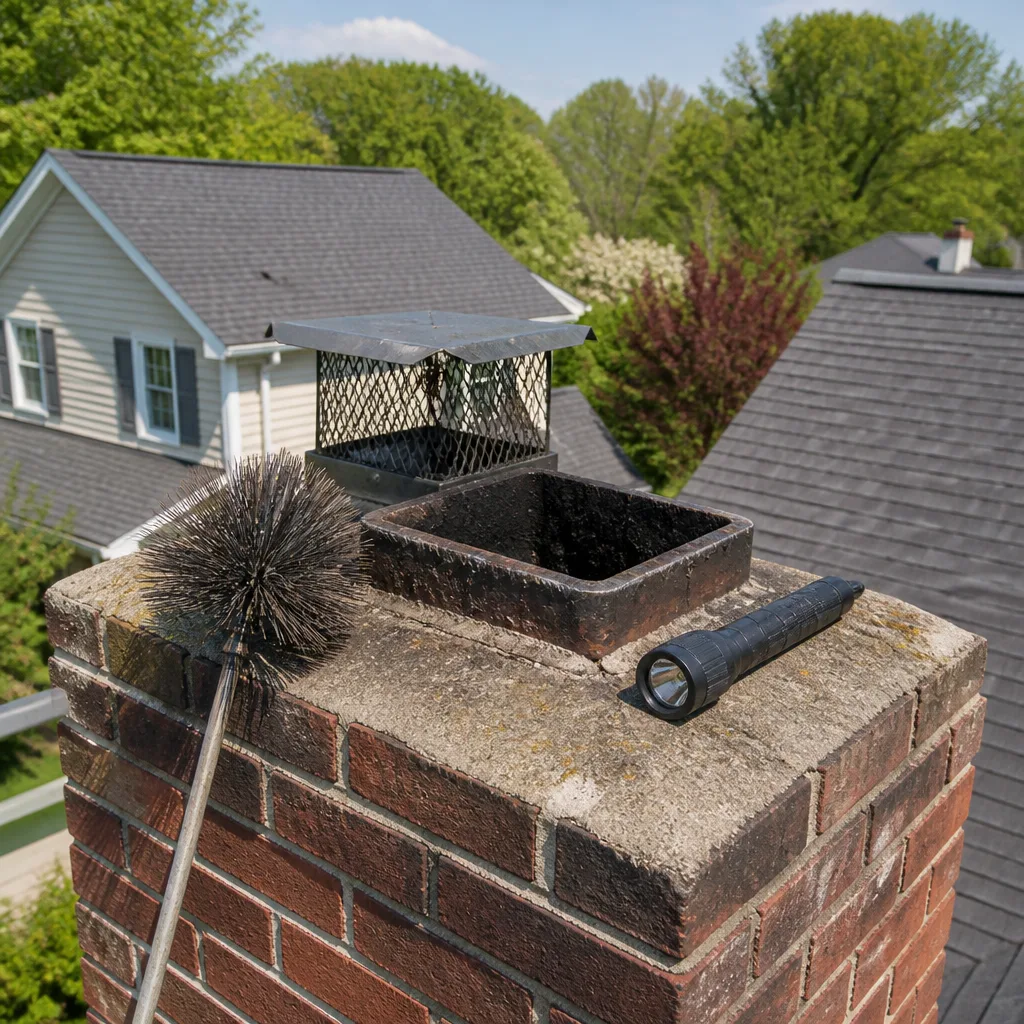 Sweep & inspection
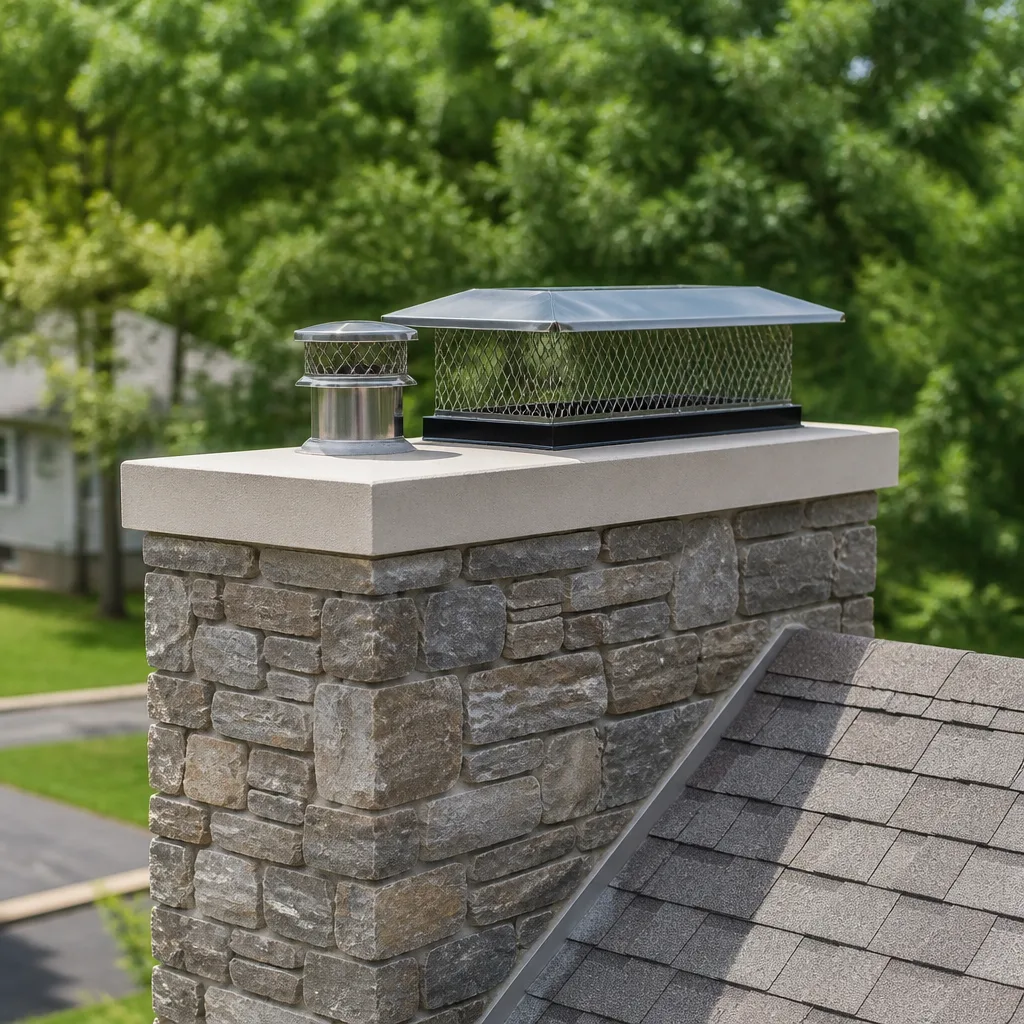 Caps & crowns
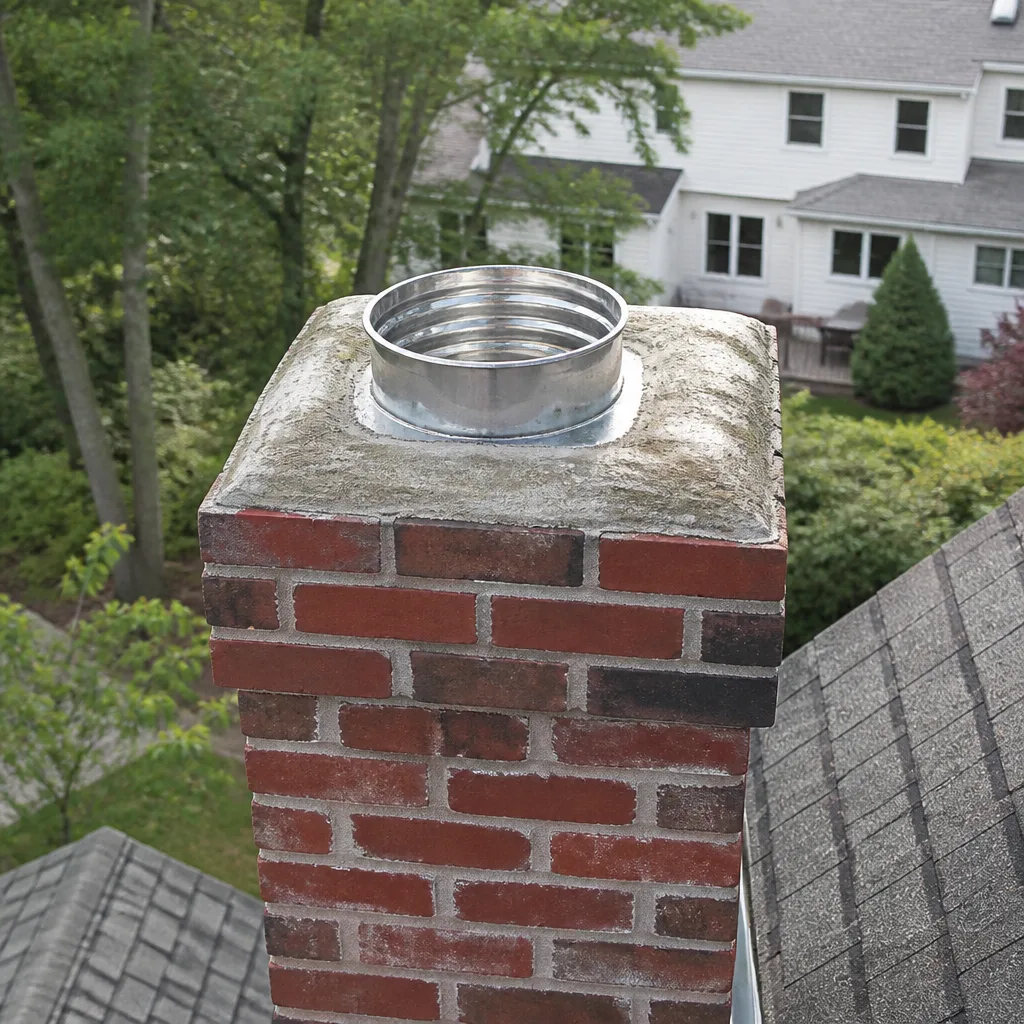 Flue relining
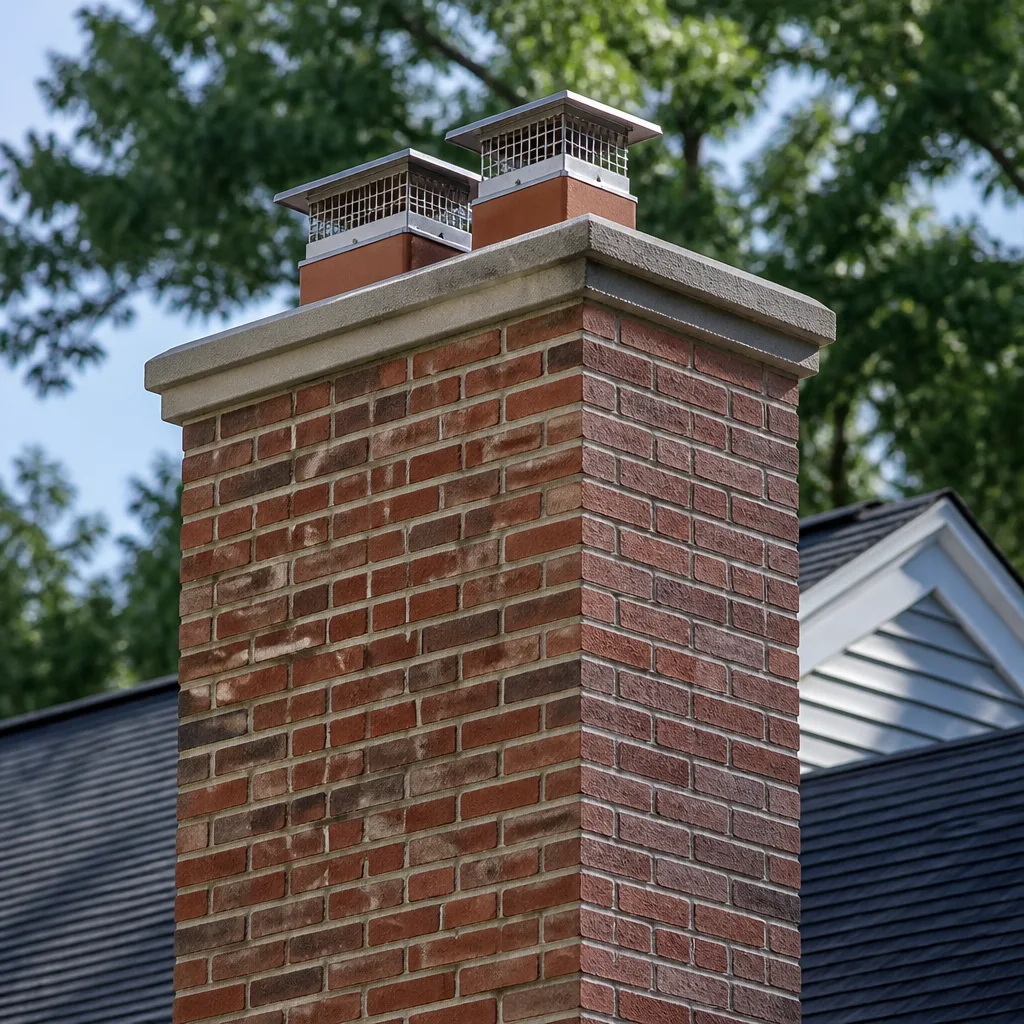 Masonry repair
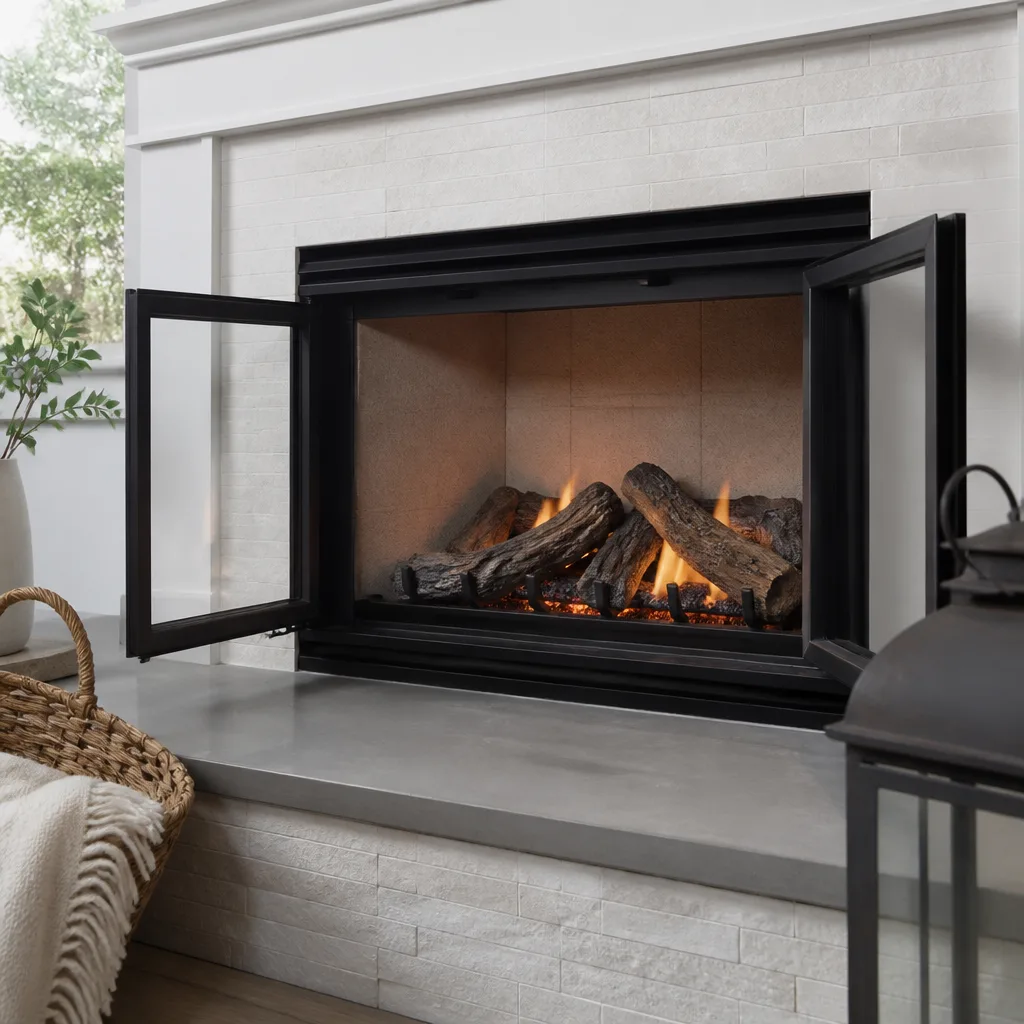 Gas fireplace service
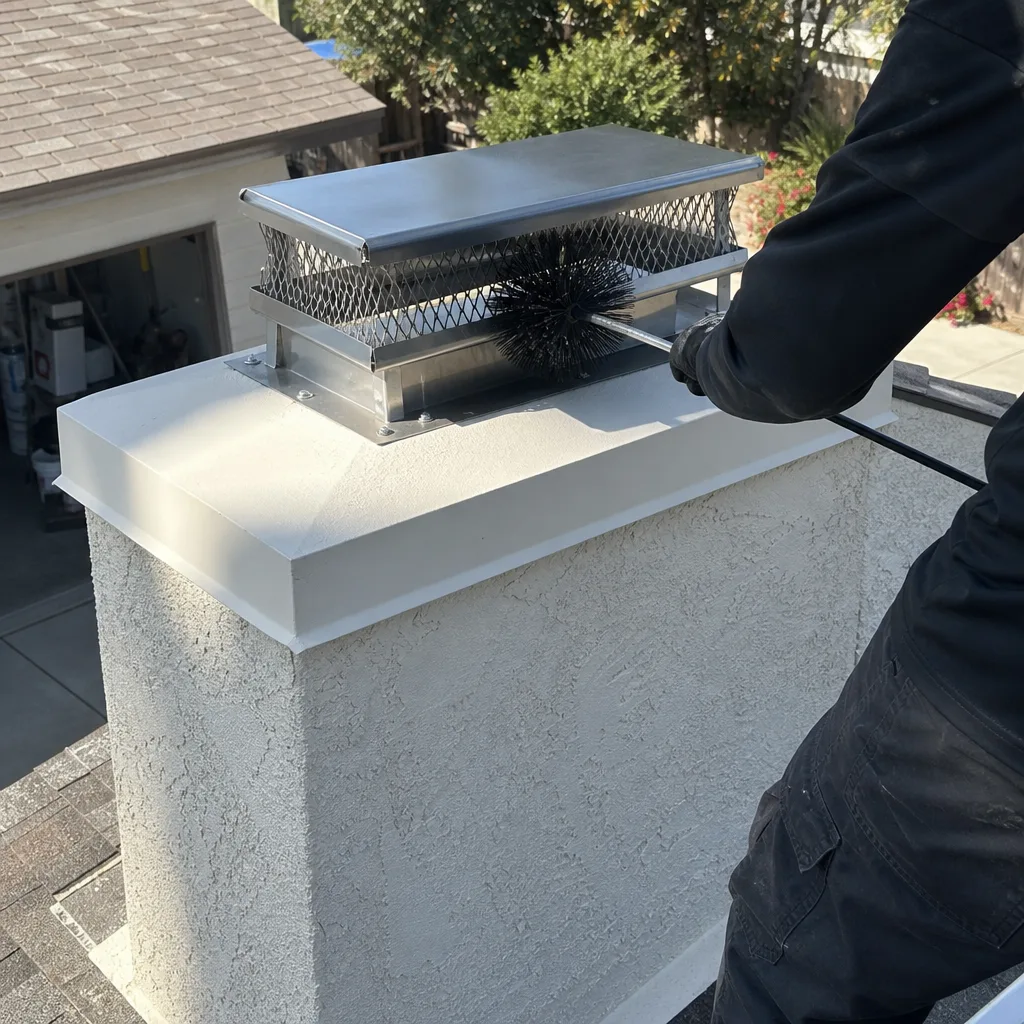
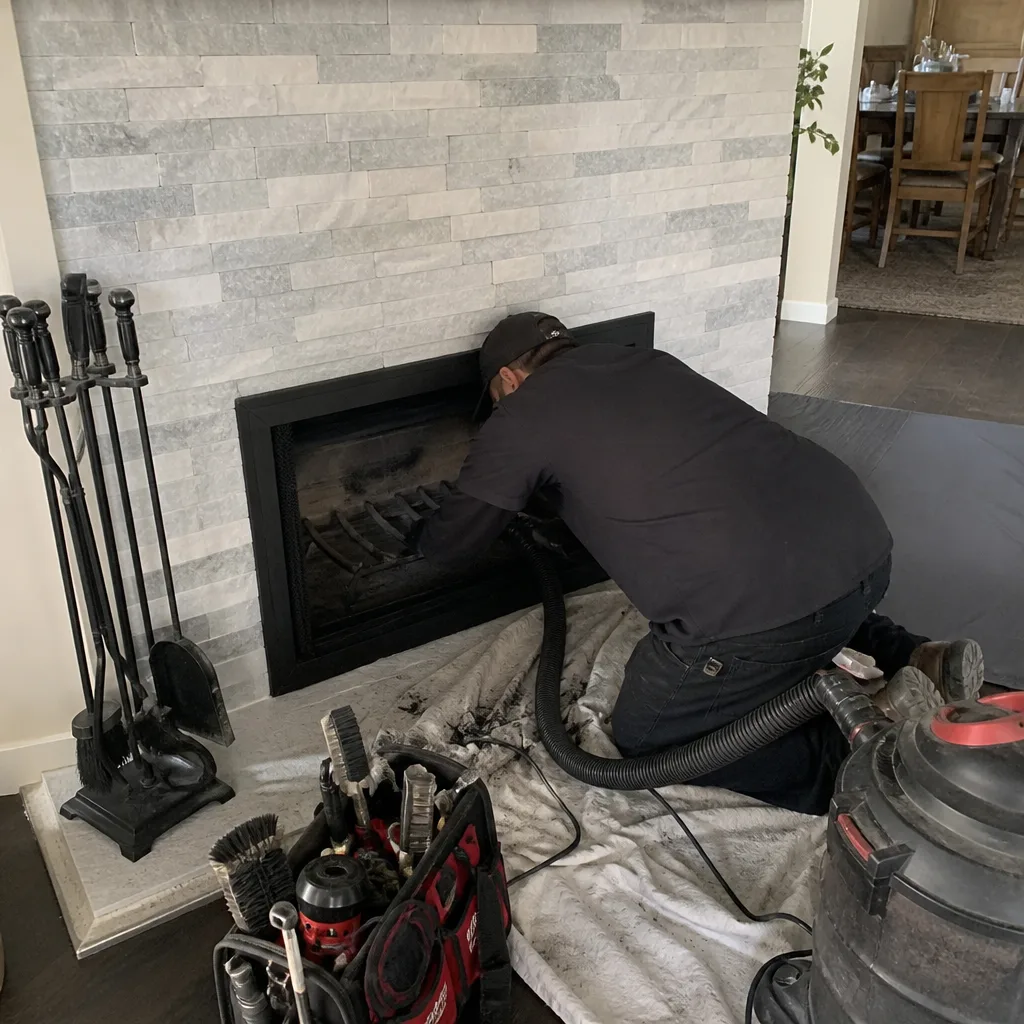
Level 1 sweep and inspection to the NFPA 211 annual standard - flue, crown, cap, and flashing checked and photographed
Chimney sweep logs do not sweep chimneys. They loosen some creosote - which then falls where a brush and vacuum still have to collect it.
Chimney Cleaning Warning Signs: A Fresno Homeowner’s Reference Guide
Here’s the thing about chimney problems: the warning sign that matters most is never the smoke pouring into your living room. By the time you see that, you’re already dealing with a serious repair, not a maintenance call. The signs that actually save Fresno homeowners money are the quiet ones. A faint smell on a damp morning. A stain that showed up after last winter’s rain. A soft clink of debris when the wind blows. Most people write those off as “probably nothing,” and that’s exactly why a $250 cleaning turns into a $4,000 liner replacement. Ruben and our team at Alcott Chimney Fresno have worked on thousands of chimneys across this city since 2002, and we’ve learned that Fresno homeowners who catch these quiet signals early rarely pay for major repairs. This guide will teach you to read every warning sign your chimney sends, understand what’s likely behind it, and know which ones mean stop using the fireplace today.
Quick Answer
The warning signs that matter most in Fresno are subtle, not dramatic: a smoky or musty smell in the room even when the fireplace is cold, white efflorescence staining on the exterior brick, flaking mortar joints, debris falling into the firebox, or a fireplace that suddenly drafts poorly. Any one of these means the chimney needs a professional inspection, but most can be swept and repaired for a few hundred dollars if caught early. The signs that require you to stop using the fireplace immediately are a strong chemical smell, visible smoke inside the house during use, or a chimney fire you’ve already heard or seen.
Styles & brands we work with
Table of Contents
- The Smell Test: What Your Nose Knows Before Your Eyes Do
- Visual Warning Signs: Stains, Efflorescence, and Cracks
- Sounds and Debris: What Falls, What Rattles, and What It Means
- Draft Problems: When Smoke Doesn’t Go Where It Should
- Fresno-Specific Warning Signs You Won’t Read About Elsewhere
- Monitor vs. Act Now: A Decision Framework for Homeowners
- How to Document Warning Signs: Photos That Hold Up in Claims
- Manufactured Findings: When the Problem Is the Diagnosis
The Smell Test: What Your Nose Knows Before Your Eyes Do
Your sense of smell is the earliest and most reliable chimney warning system you own. Long before a stain appears or a crack widens, odor tells you something inside the flue has changed. In Fresno’s dry summer heat, a chimney that smells after rain is telling you water is getting in and mixing with creosote, which is the tar-like residue that builds up inside the flue from burning wood. Wet creosote has a sharp, acrid smell that people compare to asphalt or burnt tar. That smell should not exist in a dry, properly sealed chimney. A standard chimney sweep in Fresno typically runs between $189 and $350 depending on flue size and buildup level, but if that smell is ignored through one or two winters, you’re often looking at liner damage, which starts around $2,500 and climbs past $4,000 for a full stainless replacement.
Different smells point to different underlying issues. Here’s how we read them in our Chimney Inspection in Fresno calls:
- A campfire or smoky smell when the fireplace is cold: This usually means creosote has built up enough that it’s off-gassing into the room, especially on humid days. It can also mean a drafting problem where the chimney isn’t venting properly even when not in use.
- A musty or mildew smell: Water is entering the chimney somewhere. Often it’s a cracked chimney crown or deteriorated flashing. In Fresno homes built before 1990, cracked crowns are extremely common because our summer heat causes repeated expansion and contraction.
- A sharp chemical or sulfur smell during use: This can indicate a chimney fire that already happened, leaving behind residue, or a venting problem pushing combustion gases into the house. Stop using the fireplace and call a professional immediately.
- A smell that gets worse when the wind blows: This points to a debris blockage, often nesting material or fallen leaves from valley oaks, which Fresno has in abundance. The blockage traps air that then pushes smells back into the house.
Visual Warning Signs: Stains, Efflorescence, and Cracks
What you see on the outside of your chimney matters, but it’s the inside that determines safety. Walk outside and look at the structure in daylight. Then take a flashlight and look up from inside the firebox. Here are the visual warning signs we prioritize, in order of urgency.
White, chalky staining on the brick is called efflorescence, and it’s the one Fresno homeowners write off most often. It looks like a powdery white residue and is caused by water moving through masonry and depositing salt on the surface. If you see it, water is inside the brick, and in a climate like ours with hot summers and cold winter mornings, that trapped water expands and contracts, slowly destroying the mortar from within. This is not cosmetic. Efflorescence is the earliest external signal of water intrusion, and it’s a call-to-action, not a decoration.
Dark staining on interior walls around the chimney suggests flue gases are leaking through cracks in the flue liner and staining drywall from inside the wall cavity. This is a carbon monoxide concern and cannot wait. Our team has encountered this in homes across the Tower District and Fig Garden, and the pattern is usually the same: the liner was not evaluated for years, and hairline cracks expanded until they became real openings.
Flaking or crumbling mortar joints is called spalling, and it’s accelerated in Fresno by our thermal cycling. Water seeps in, gets hot, and pops the surface of the brick or flushes out the mortar. Run your finger along the joints. If mortar crumbles away like sand, the structural integrity is compromised. A full tuckpointing job runs anywhere from $1,500 to $4,000 depending on chimney height and access, but patching a small area early can be a few hundred dollars.
Sounds and Debris: What Falls, What Rattles, and What It Means
After smell, sound is the most underrated diagnostic tool. Fireplaces in Fresno sit dormant for months during our long hot summers, and that’s when debris settles. Listen before you light the first fire of the season.
Debris falling into the firebox. This is the most common finding we see in late fall, when Fresno homeowners open their dampers for the first time. Valley oak leaves, twigs, and sometimes nesting materials have accumulated over summer. If it’s just leaves, a sweep resolves it. If it’s nesting material, you may have had a bird or squirrel in the flue, and that means the chimney cap is either missing or damaged. A replacement cap costs between $150 and $400 installed, which is far cheaper than the water and animal damage that comes without one.
A rattling sound when the wind blows across the chimney usually means the damper assembly has loosened or a piece of the cap is broken. Less commonly, it signals that a section of tile liner has cracked free and is resting inside the flue. If you hear this, do not start a fire. A loose tile can shift during use and fully block the flue mid-burn, forcing smoke and carbon monoxide into the home. Our standard Chimney Sweep in Fresno includes a visual inspection of the flue from both ends, which catches displaced tiles before they become a mid-season emergency.
Scratching or chirping inside the chimney walls is almost always a live animal. In Fresno, chimney swifts and squirrels are the usual visitors. Do not light a fire to smoke it out; that kills the animal and can cause a chimney fire from the nest material. A technician will remove the animal, install a proper cap, and then sweep the nesting materials out.
Draft Problems: When Smoke Doesn’t Go Where It Should
A healthy chimney pulls air upward. When it doesn’t, you’ll notice it quickly: smoke curling into the room when you light a fire, a fire that struggles to stay lit, or a room that smells faintly of smoke hours after the fire is out. Draft problems in Fresno are often blamed on the weather, but the weather is rarely the actual cause.
The most common cause of a poor draft is creosote buildup narrowing the flue opening. Even a quarter inch of buildup reduces the diameter enough to noticeably impair airflow, and it increases fire risk because creosote is combustible. The second most common cause in our area is a cold flue combined with a warm house, a condition called reverse stacking that appears on those first cool Fresno fall mornings when you have the heater running and decide to light a fire. The fix is often as simple as priming the flue with a rolled newspaper held up near the damper for 30 seconds before lighting.
But if the draft problem persists beyond one or two fires, have the flue inspected. A collapsed chimney crown, a partially closed damper, or even a neighbor’s new second-story addition that changed the wind patterns around your roofline can all cause chronic backdrafting. We’ve seen all three across Fresno neighborhoods in the past year alone.
Fresno-Specific Warning Signs You Won’t Read About Elsewhere
Generic chimney advice online misses what living in the Central Valley actually does to masonry. Three warning signs show up in Fresno homes far more often than in coastal markets.
First, hard water staining on the exterior brick. Fresno water is hard. When moisture from sprinklers hits the chimney base, or when rain and condensation run down the brick, it carries mineral deposits that leave a distinctive white-to-orange discoloration. This is technically efflorescence, but the Fresno version is more aggressive because our water has a higher mineral load. You’ll see it at the base of the chimney most often, and while it doesn’t signal an emergency, it does mean water is moving through the masonry, and that should be addressed during the next chimney inspection.
Second, valley oak leaf debris inside the flue. Fresno has tens of thousands of valley oaks, and their leaves are small enough to slip past a damaged or undersized chimney cap. In the fall, when leaves come down and the first rains arrive, wet oak leaves clump inside the flue and create a partial blockage. This is one of the most common causes of smoke backup we see on first-light calls every October and November.
Third, thermal-cycling mortar cracks. Fresno’s temperature swings between August and January can be 60 degrees or more in a 24-hour period. That repeated expansion and contraction stresses chimney masonry in a way that coastal climates never see. The result is predictable: hairline cracks that open up over time, especially at the top of the chimney where it’s most exposed. If you climb up and see cracks in the crown or at the mortar joints near the top, that’s not normal aging. That’s thermal cycling, and the fix is sealing or rebuilding the crown before water gets into the flue.
Monitor vs. Act Now: A Decision Framework for Homeowners
Not every warning sign requires immediate action. Knowing which ones you can safely monitor for one season, and which ones mean you should stop using the fireplace today, keeps you from being either complacent or panicked. Here’s the framework we teach every Fresno homeowner.
Safe to monitor over one season, with a plan to address soon:
- Light efflorescence on exterior brick with no other signs of water intrusion.
- A faint smoky smell on days of high humidity, with no visible issues and a fireplace that passed inspection in the last two years.
- Minor mortar flaking at the base of the chimney.
- A damper that closes fine but is slightly stiff to operate.
- Debris in the firebox from leaves when the cap is present and undamaged.
Stop using the fireplace immediately and call for service:
- Smoke entering the room during use, even in small amounts. This signals a drafting failure or blockage.
- A chemical or unusual odor during a fire that’s different from normal wood smoke.
- Visible cracks in the flue liner seen with a flashlight from inside the firebox.
- Loose or displaced tile pieces visible inside the flue.
- Any sign of a prior chimney fire, including honeycomb-textured creosote, warped metal components, or a strong residue odor after the fire is out.
- Water actively dripping into the firebox after rain.
When in doubt, err toward inspection. A Level 1 chimney inspection in Fresno typically runs $129-$229 and gives you a definitive answer about whether you’re safe to continue burning.
How to Document Warning Signs: Photos That Hold Up in Claims
If you’re filing an insurance claim or a warranty request for chimney damage, the quality of your photos determines how smoothly the process goes. We’ve helped Fresno homeowners through enough claims to know what adjusters actually look for, and it’s not what you’d guess. Here’s how to photograph chimney damage correctly.
- Capture the full context first. Stand far enough back that you can see the entire chimney and the roofline where it meets the house. This establishes scale and location for the adjuster.
- Shoot in even daylight, not direct sun. Harsh shadows hide cracks. Overcast mornings or late afternoons are best.
- Use a ruler or coin for scale in close-up shots. A crack that looks minor without scale may actually be three inches wide. The adjuster needs to see that.
- Photograph from multiple angles. Shoot the chimney from each side, not just the front-facing view. Water damage often shows on the side least visible from the ground.
- Document the interior flue with a flashlight. Aim the light upward from the firebox and photograph what you can see. Hold the camera steady against the firebox opening for the sharpest results.
- Write down the date and conditions. A timestamp helps. Add a note about how long you’ve noticed the issue and whether it’s been getting progressively worse.
One specific angle insurance adjusters request often: a photo from inside the flue looking up with the damper fully open, showing the liner condition. That single photo often makes the difference between a claim approved on the first pass and one that goes to a second review.
Manufactured Findings: When the Problem Is the Diagnosis
Here’s the uncomfortable truth about the chimney industry: some findings are manufactured because they’re profitable. A homeowner who can’t verify what a technician is seeing will sometimes be told a liner needs replacing when it doesn’t, or that a chimney fire occurred when there’s no evidence. We’re going to tell you exactly what manufactured findings look like so you can spot them in real time.
The “sudden liner failure” after years of clean inspections. Liners don’t go from fine to failed in one season without a known event, like a chimney fire or severe water damage. If a technician tells you the liner is shot after years of pass-every-inspection results, ask to see the camera footage showing where it’s cracked. At Alcott Chimney Fresno, every inspection includes a camera look at the flue, and the customer sees those images before deciding on any repair. You should never be asked to approve a $4,000 repair based on a verbal description alone.
A Fire in the Chimney, You May Have Had a Fire, Chimney Fires Are Silent: used on every report. This is an upsell tactic. We run camera scans on Fresno chimneys with decades of regular use and find no fire damage all the time. If a company tells you there’s fire damage you’ve never seen evidence of, and coincidentally recommends a liner replacement, get a second opinion from our Chimney Inspection in Fresno team.
Sweep, Then Scare. A low-priced sweep where the technician finds thousands in necessary repairs. This doesn’t mean every repair recommendation is a scam, but it does mean you should get the specific evidence for every single one. Written quote before work starts is standard for Alcott Chimney Fresno, a habit we built into our process from day one, so you’ll know exactly what’s being recommended and what it costs before you make any decision.
Common Mistakes to Avoid
- Waiting for visible smoke before taking action. Smoke in the room is a late-stage symptom. By then, the underlying problem is already serious. The cheaper fix happened a season ago.
- Ignoring the smell because “it’s been like that for years.” That’s evidence the problem has had years to get worse, not proof it’s harmless. Ignoring creosote odor is the single most common reason Fresno homeowners eventually replace liners they could have had swept and preserved.
- Painting over efflorescence instead of fixing the water intrusion. Paint traps moisture inside the brick and accelerates the damage. You can’t coat your way out of water inside masonry.
- Assuming the chimney cap is still there because you saw it last spring. Caps fly off in Fresno’s winter wind storms and get damaged by tree branches every year. Get eyes on it before the first burn.
- Not asking for proof of a repair recommendation. If a technician says the liner is cracked, ask to see the camera image. A legitimate company shows it to you on the spot. If they can’t, get a second opinion.
- Burning pine and wet wood in a Fresno fireplace all winter. Softwoods and wet wood produce the heaviest creosote deposits. Burn dry hardwoods and you’ll extend the time between needed sweeps significantly.
- Skipping the sweep because the fireplace “works fine.” Working fireplaces still produce creosote. The fire doesn’t know or care whether the flue is clear until the day it suddenly doesn’t vent at all.
See the difference
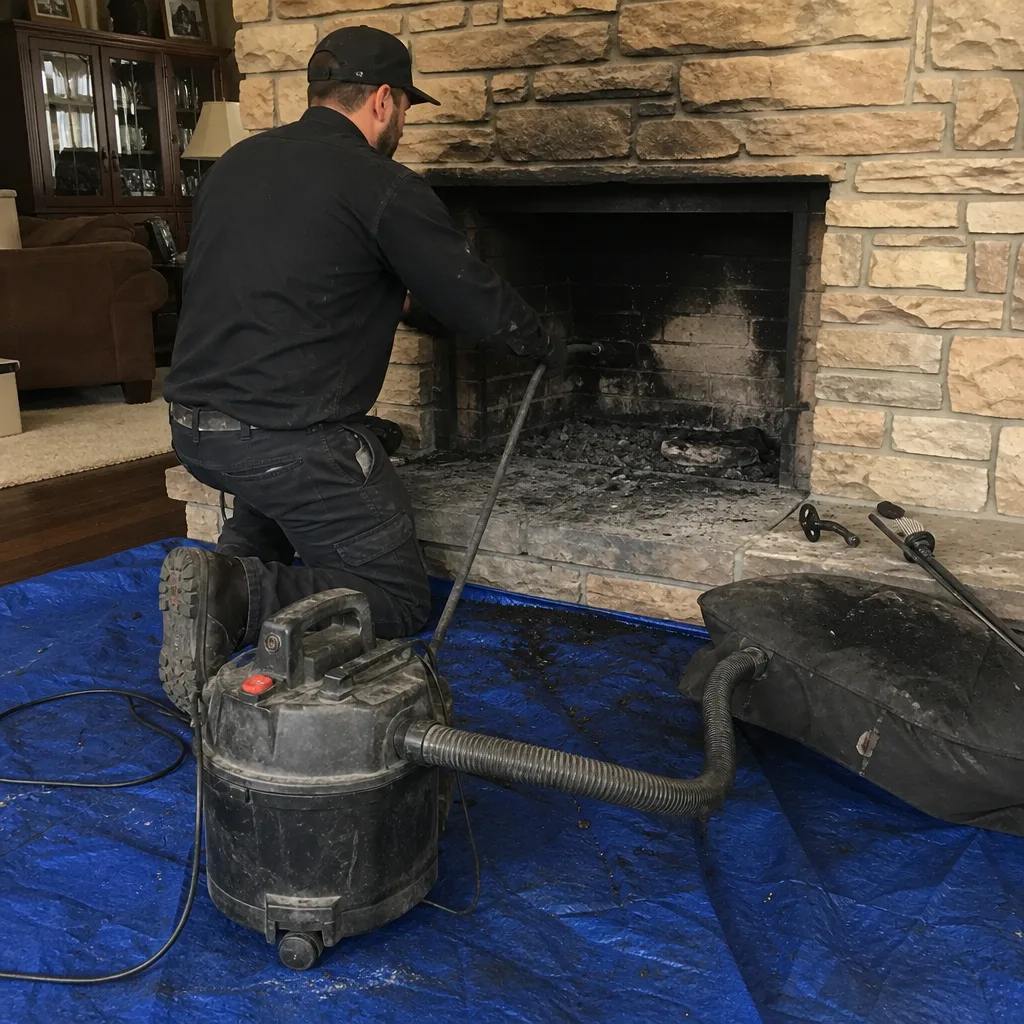 Before
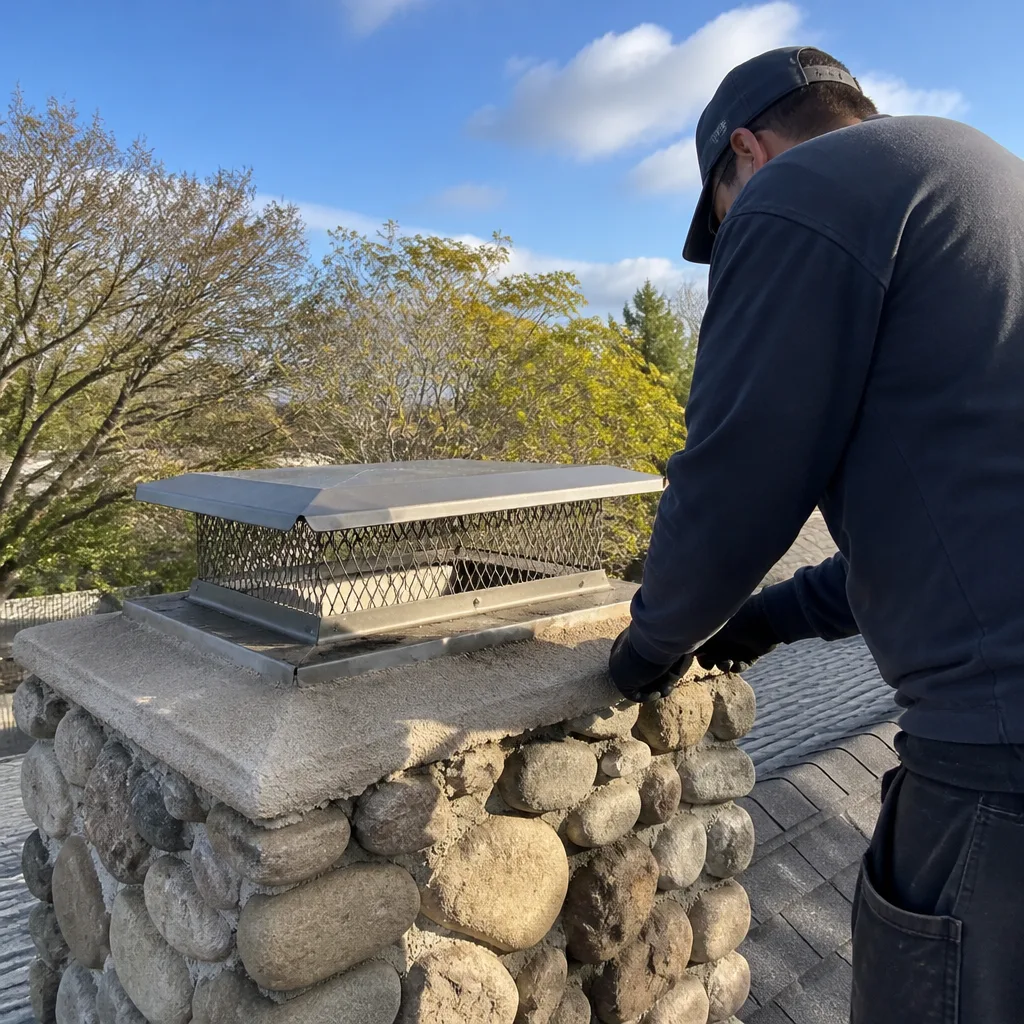 After
After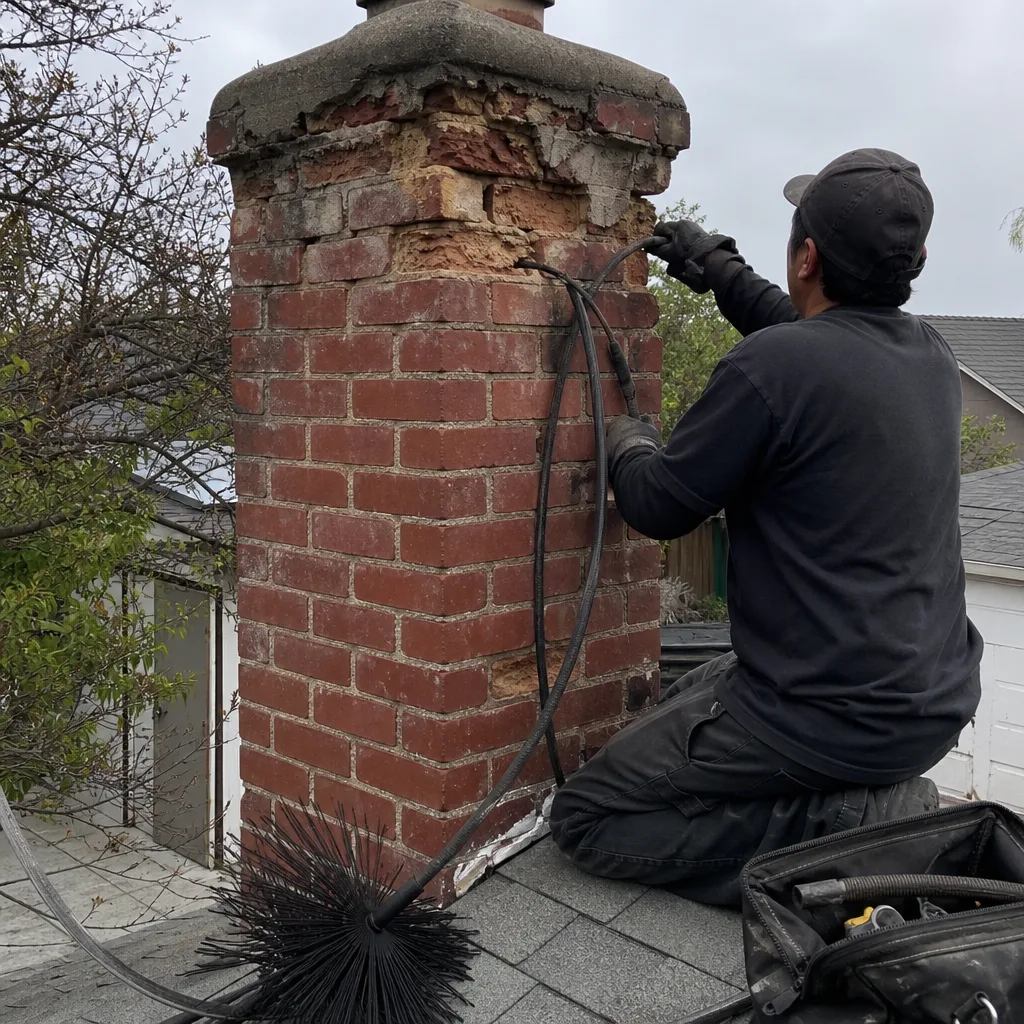 Before
 After
After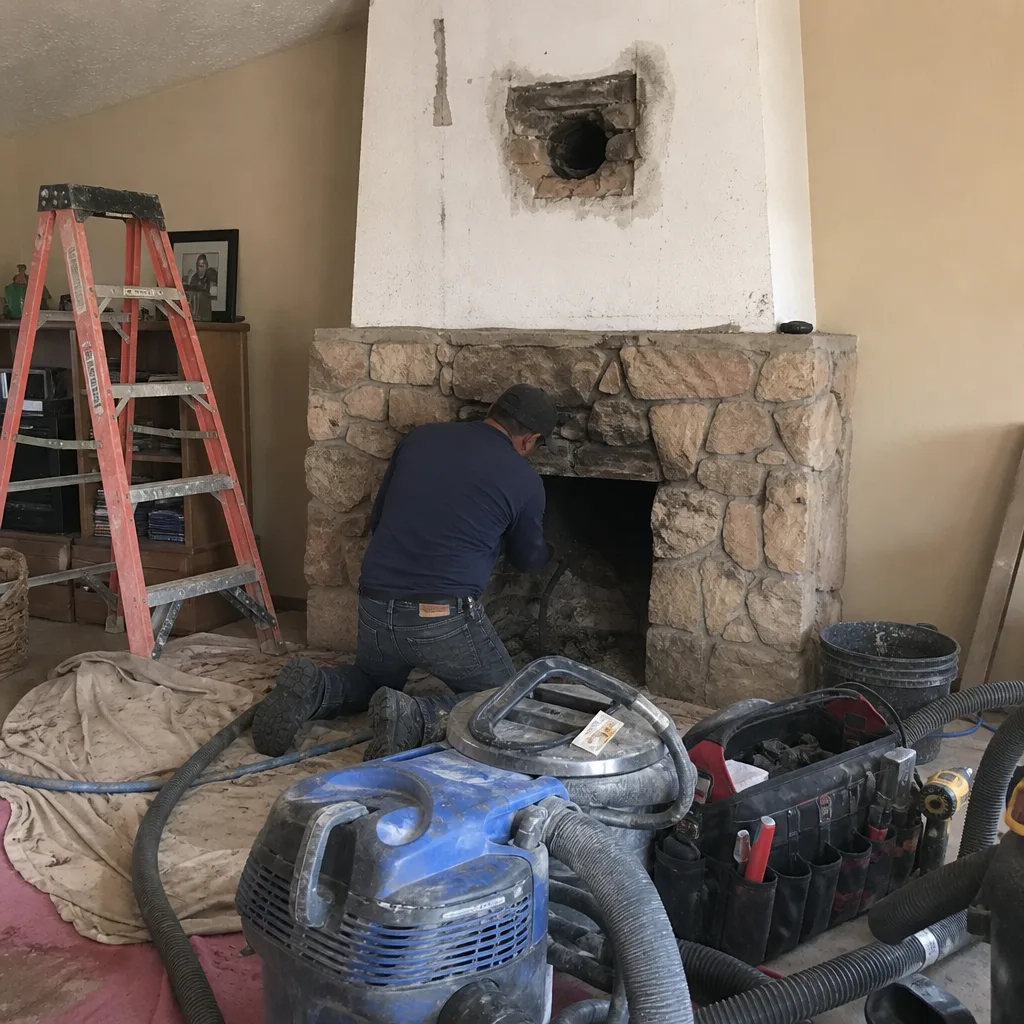 Before
 After
AfterWhen to Call a Professional
Call a professional if you’ve noticed any of the warning signs above and can’t clearly rule them out on your own. Specifically, call when you smell smoke or must when the fireplace is cold, when you see efflorescence or mortar cracks that have widened, when debris falls into the firebox, when the draft suddenly weakens, or when you have any doubt about the flue liner’s integrity. Chimney fires and carbon monoxide exposure are the two outcomes we want every Fresno homeowner to avoid, and both are preventable with early maintenance. Alcott Chimney Fresno offers free estimates in Fresno, call (559) 215-1714.
Frequently Asked Questions
A standard chimney sweep in Fresno typically runs between $189 and $350 depending on the flue size, the amount of creosote buildup, and any access complications like a steep roof or a tall chimney. Most Fresno homeowners pay under $300. If your inspection reveals damage, the sweep cost is usually separate from repair recommendations, so ask for a written price before any work starts. Call (559) 215-1714 for a free estimate based on your specific fireplace and chimney.
Signs you need a new liner include visible cracks in the clay tile (seen with a flashlight or camera from inside the firebox), pieces of tile accumulating in the bottom of the flue, water staining on interior walls adjacent to the chimney, and a chimney fire that has already occurred. A liner replacement in Fresno typically starts around $2,500 for a standard stainless system and runs up to $4,500 or more for taller or multi-story chimneys. At Alcott Chimney Fresno, we use professional trade materials like DuraFlex and HeatShield, and you’ll see the camera footage before deciding on any repair.
Most Fresno homeowners should sweep their chimney once a year if the fireplace is used regularly (several fires per week during the season), and every two years for occasional use. The rule of thumb from the National Fire Protection Association is that any visible creosote buildup should be removed. In Fresno, valley oak debris and our short burning season mean many homeowners can safely go 18-24 months between sweeps, but an annual chimney inspection is the only way to know for sure.
The honest way to answer that question is to demand visual proof. A cracked clay tile liner is visible on a camera scan, and any reputable company will show you the footage in real time. If a technician recommends a liner replacement but won’t show you the interior images, walk away and get a second opinion. Liners fail for specific reasons, water intrusion, chimney fire, thermal stress, and those reasons leave visible evidence. We include camera verification with every inspection we perform in Fresno.
If you skip cleaning for several years, creosote continues to accumulate and the flue narrows, which reduces draft and increases the risk of a chimney fire. Water finds its way into the flue through the unprotected top, accelerating the breakdown of the clay tile liner. Eventually the liner cracks, and then combustion gases and carbon monoxide can enter the wall cavities or living space. The burn rate is slow, which is why it’s easy to ignore. But by the time the problem announces itself, the repair is thousands of dollars instead of a $250 sweep.
Gas fireplaces don’t produce creosote the way wood-burning fireplaces do, but they still need annual inspection for venting safety, carbon monoxide clearance, and burner servicing. In Fresno, gas fireplace repair is a core service at Alcott, and we recommend a Gas Fireplace Repair in Fresno service call any time you notice changes in flame color, an unusual smell, or difficulty starting the unit. Call (559) 215-1714 to schedule a free estimate for your gas fireplace.
The Bottom Line
The chimney warning signs that matter most are the quiet ones: a smell on a damp day, a stain you can’t explain, debris where there shouldn’t be any, and a draft that’s weaker than it used to be. Fresno’s climate and our valley oaks and hard water create a specific set of warning signs that generic online advice misses entirely, and catching them early is the difference between a sweep that costs under $300 and a liner replacement that costs over $3,000. If you’ve noticed any of the signs in this guide, call us at (559) 215-1714 or visit our Alcott Chimney Fresno home page to schedule a free estimate. You’ll get a straight answer, a written price before any work, and a technician whose name and photo you’ll know before they ring the doorbell.
Written by Ruben Castellano, Owner at Alcott Chimney Fresno, serving Fresno since 2002.