
Last updated October 15, 2026
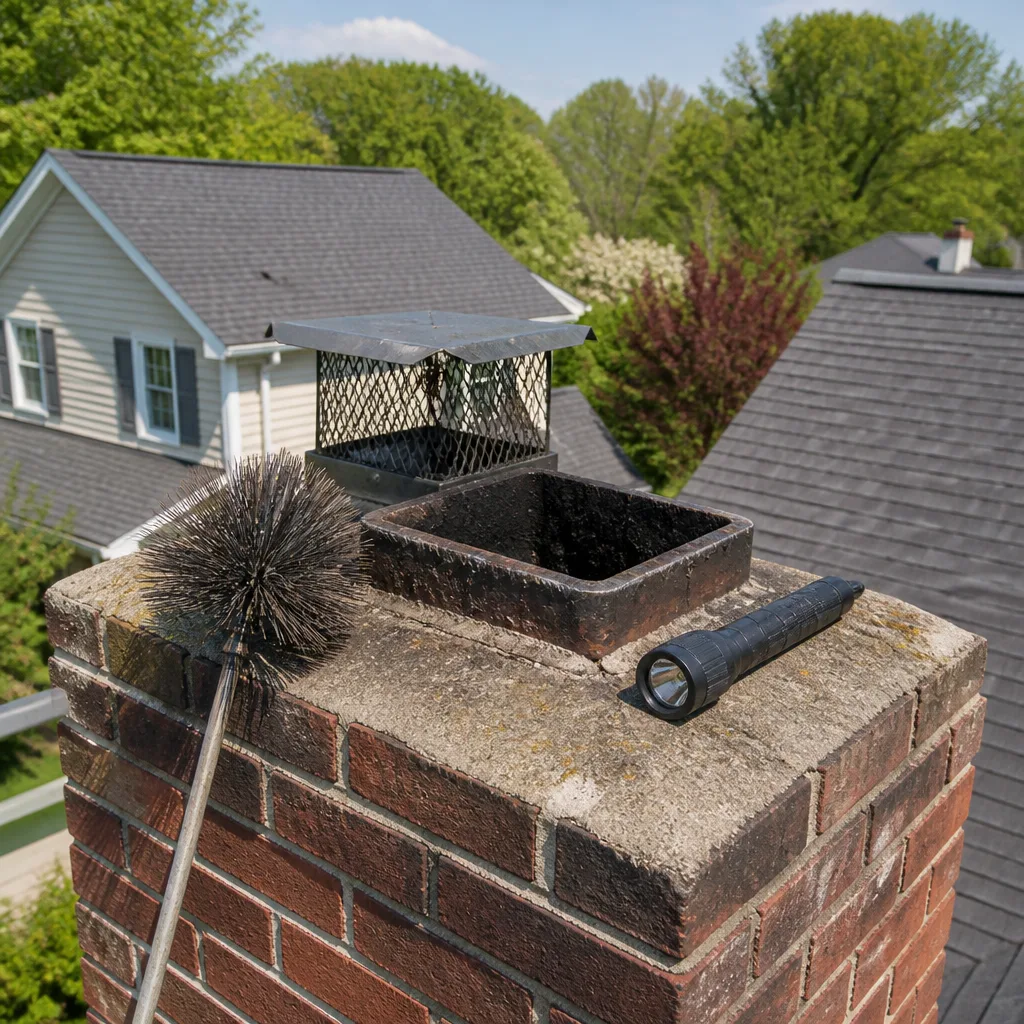 Sweep & inspection
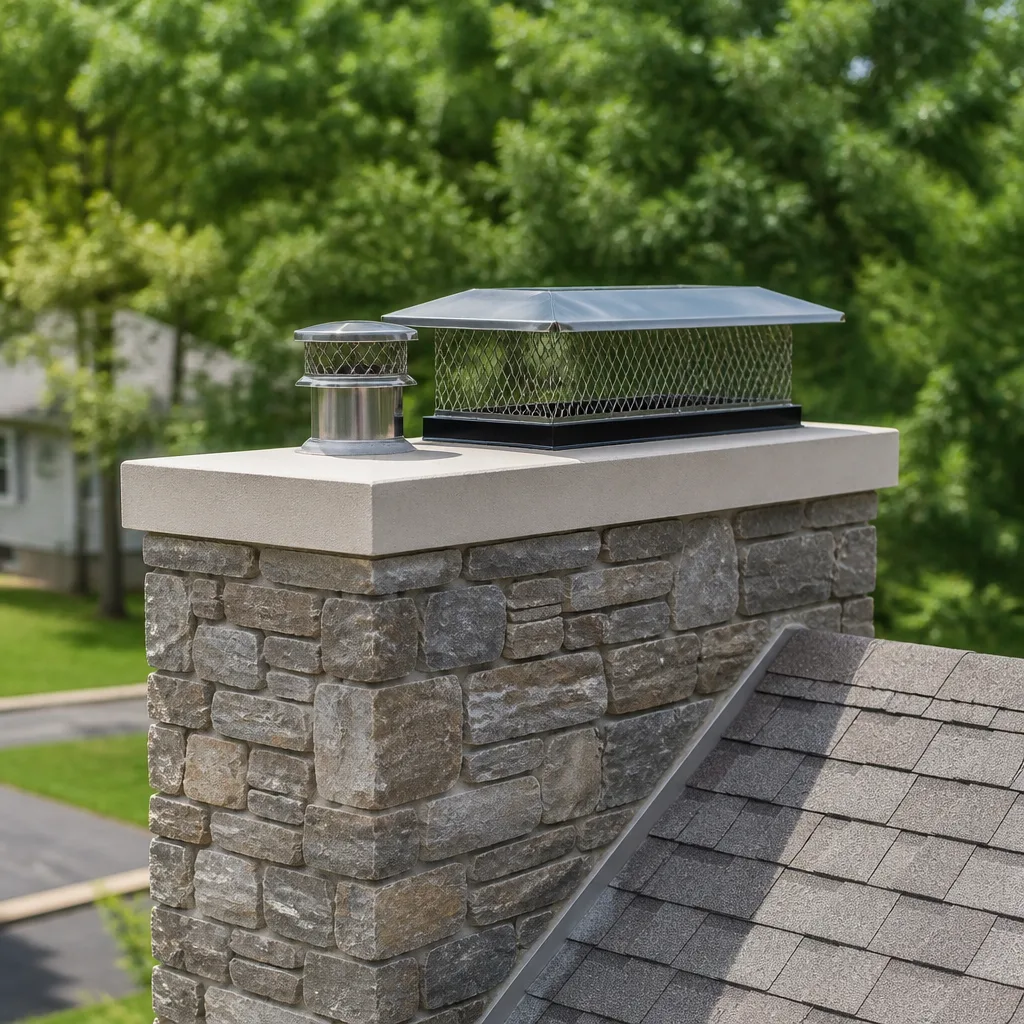 Caps & crowns
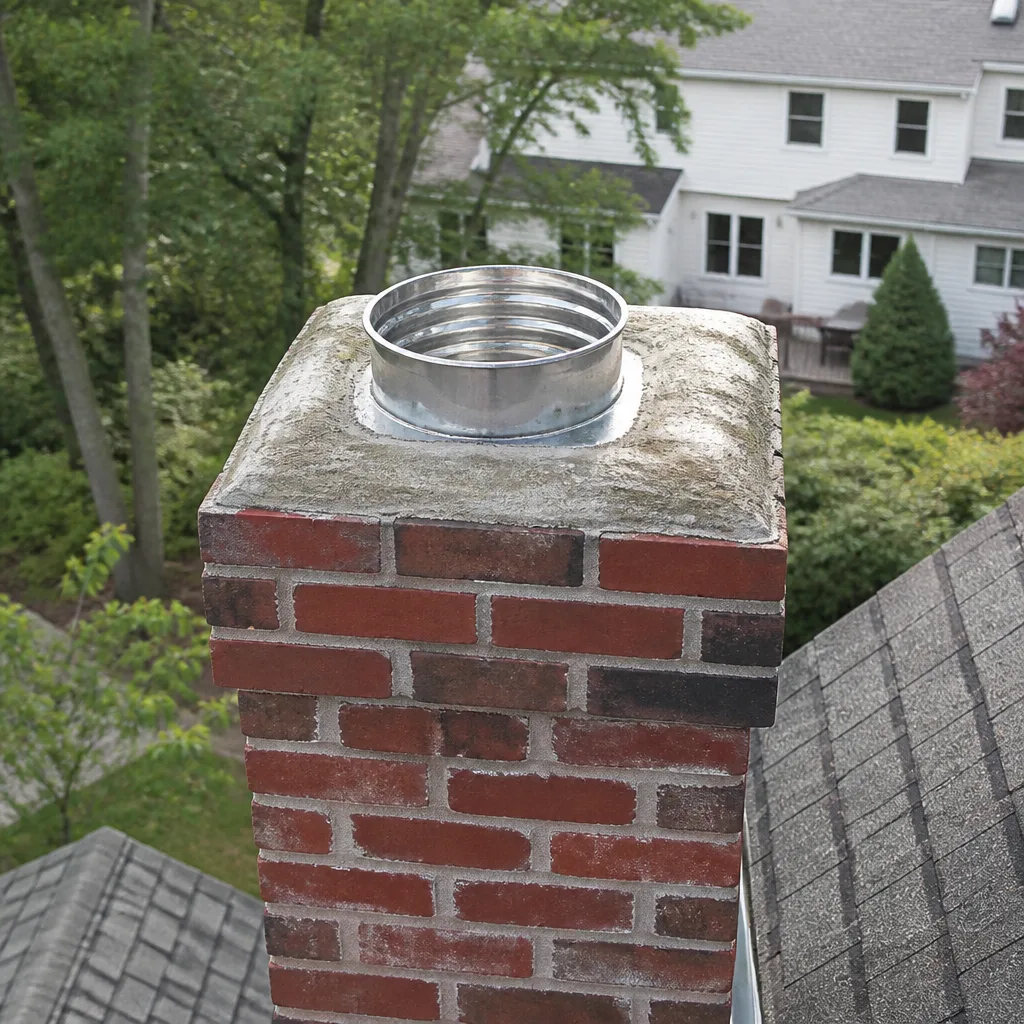 Flue relining
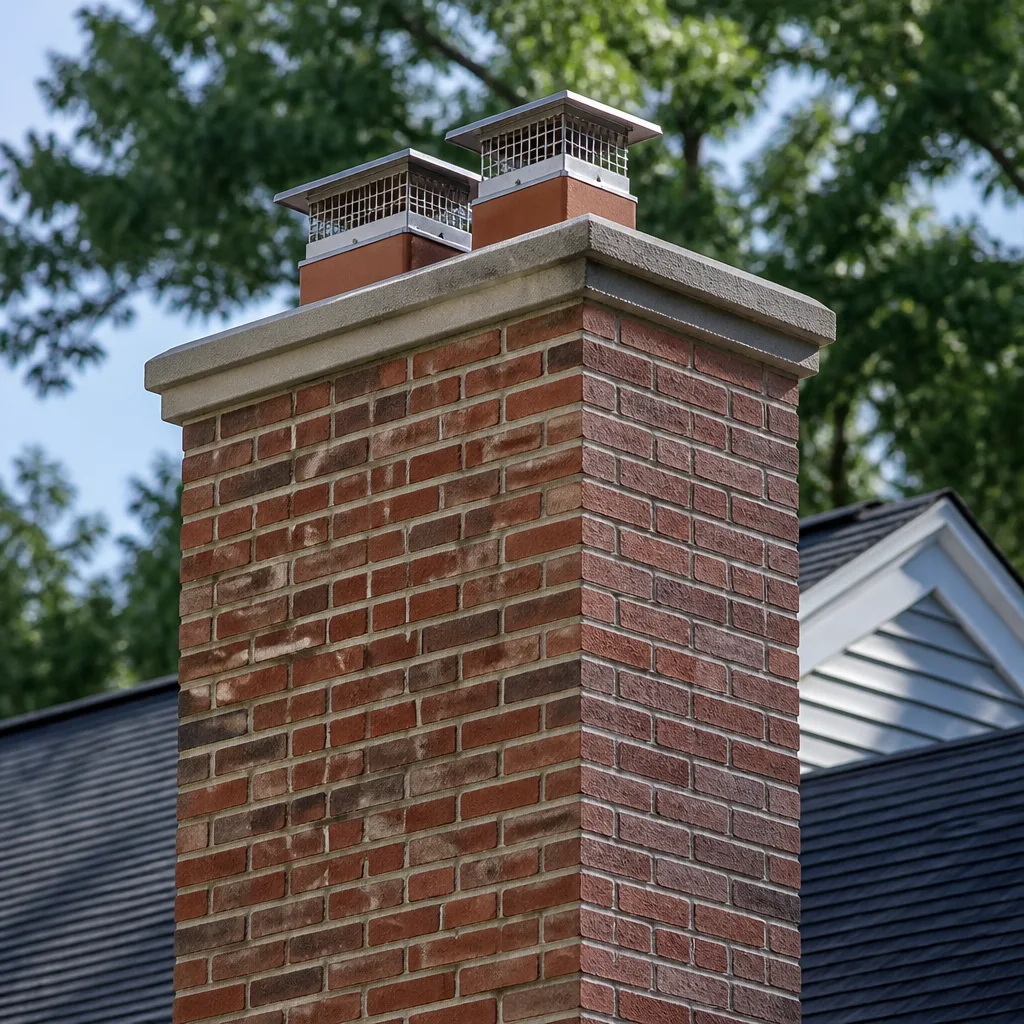 Masonry repair
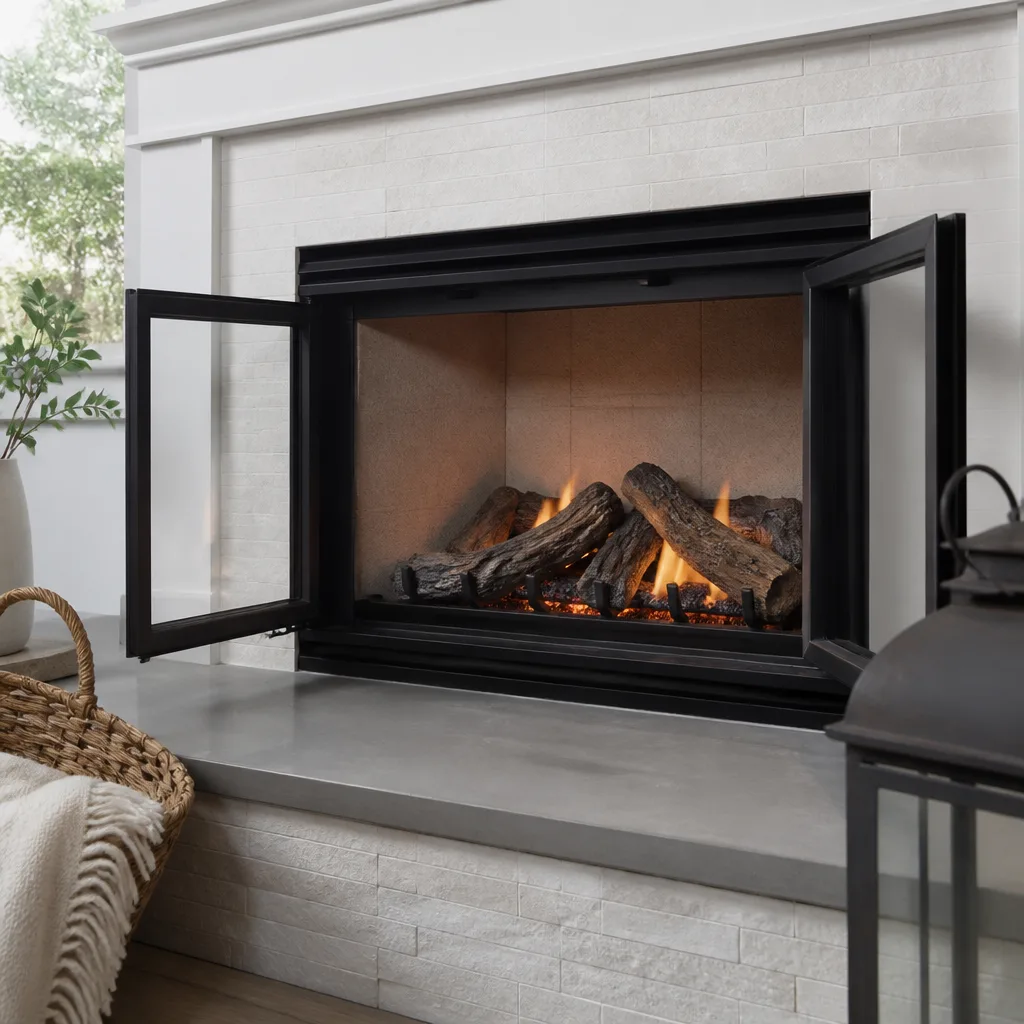 Gas fireplace service
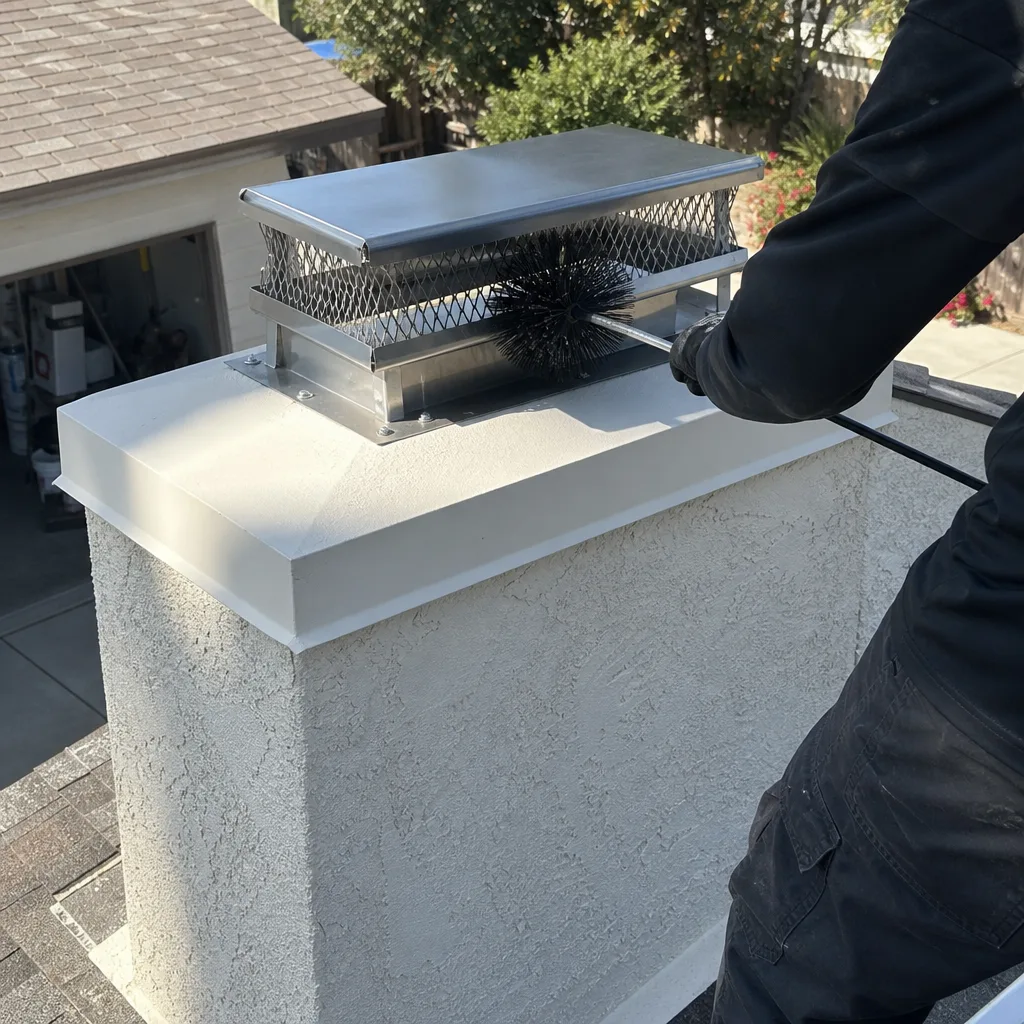
Level 1 sweep and inspection to the NFPA 211 annual standard - flue, crown, cap, and flashing checked and photographed
Chimney sweep logs do not sweep chimneys. They loosen some creosote - which then falls where a brush and vacuum still have to collect it.
Chimney Cleaning Permits, Codes & Inspections in CA: What You Need to Know
Here’s the counterintuitive part most Fresno homeowners discover too late: the word “cleaning” is what lulls you into thinking no rules apply. Your chimney sweeping appointment became a permit situation the moment the technician found a cracked flue liner, and if you didn’t know that distinction existed, you’re not alone. This guide exists specifically for you. We’ll walk through the exact line between maintenance and modification under California law, what Fresno adds on top of state code, how inspections and real estate transactions intersect, and what happens when unpermitted work surfaces during a home sale in Fresno. By the end, you’ll know which questions to ask before anyone climbs on your roof.
Quick Answer
Most routine chimney cleanings in California do not require a permit, because sweeping is classified as maintenance, not construction. However, the moment a chimney professional recommends a repair that changes the structure, liner, or firebox, Fresno and the California Building Code typically require a permit before that work begins. A Level 2 chimney inspection is the standard trigger point, especially during Fresno home sales, where unpermitted chimney work is one of the most common closing delays; see our Chimney Cleaning Warning Signs: A Fresno Homeowner’s Reference Guide for what prompts these inspections.
Styles & brands we work with
Table of Contents
- Where California Draws the Line: Cleaning vs. Repair vs. Modification
- What Fresno Specifically Adds to State Chimney Code
- How NFPA 211 Inspections Interact With Permits
- Unpermitted Chimney Work During a Home Sale: Real Consequences
- How to Check Permit Status on a Fresno Home You Already Bought
- How to Request a Contractor’s Pulled Permit Before Work Starts
- Step-by-Step: What a Compliant Chimney Job Looks Like
Where California Draws the Line: Cleaning vs. Repair vs. Modification
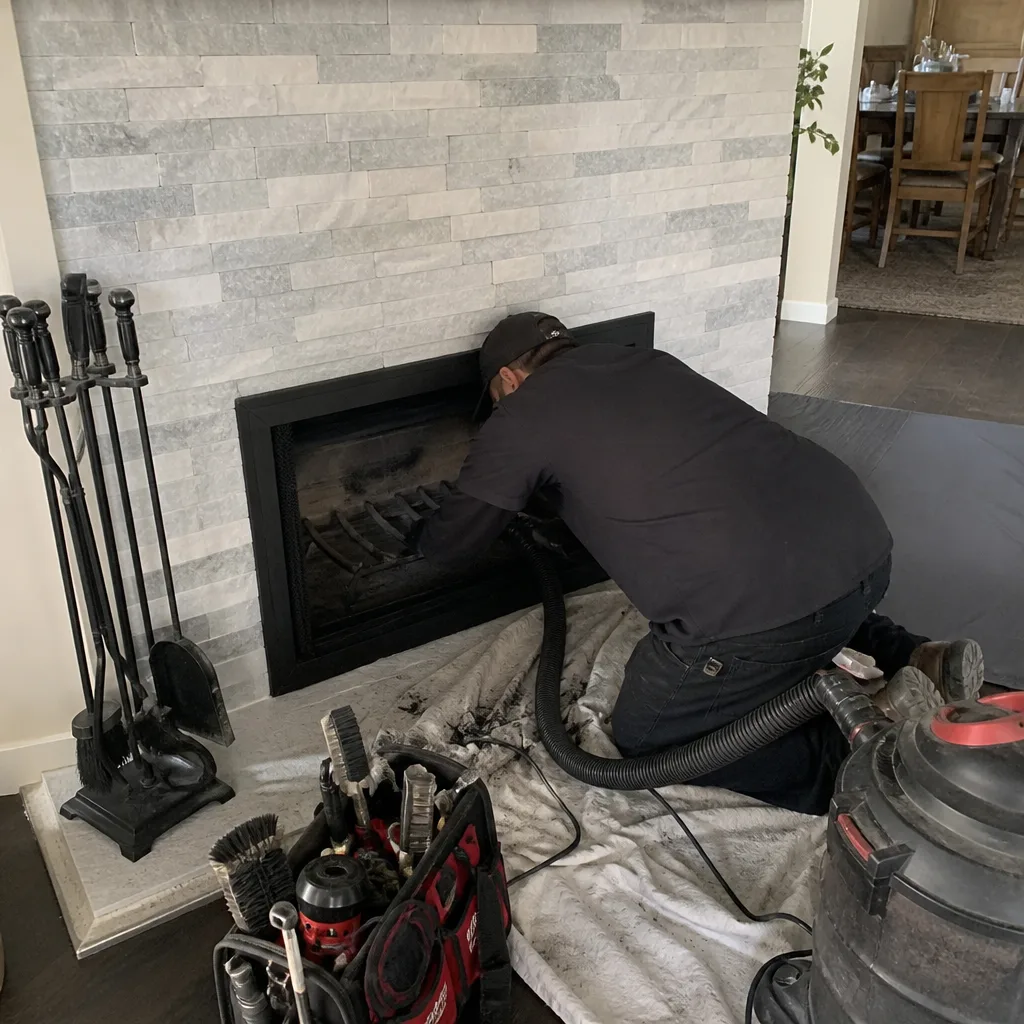
California Building Code Section R1001 governs chimneys and fireplaces. Read it closely and you’ll find the state’s logic is fairly simple: if the work restores the chimney to its original condition, it’s maintenance. If the work changes the chimney’s structure, materials, or function, it’s construction and subject to permit requirements. A standard chimney sweep in Fresno falls squarely in the first category. Our technicians remove creosote, the tar-like byproduct of wood combustion that builds up on flue walls and causes chimney fires. They clear obstructions like bird nests and debris. They vacuum the firebox and smoke chamber. None of that alters the chimney itself, so no permit is needed.
But here’s where Fresno homeowners get caught off guard. The same visit often surfaces a crack in the flue liner or a deteriorated mortar joint. Repairing that crack might require a partial liner replacement. Replacing a liner is a modification of the chimney system, and under Section R1001.2, modifications to existing chimneys must comply with current code. That compliance is verified through a permit. The distinction is not about the size of the crack. It’s about whether the repair changes what the chimney is made of or how it functions.
Common examples we’ve seen in Fresno homes, especially older ones in the Tower District and Sunnyside, illustrate the line clearly:
- No permit needed: sweeping, creosote removal, cap tightening, damper lubrication, minor mortar patching that does not affect structural integrity
- Permit typically required: flue liner replacement, firebox rebuild, chimney crown reconstruction, smoke chamber parging, installation of a new damper system, converting a wood-burning fireplace to gas
- Gray zone that requires a judgment call: partial repointing of the exterior brick above the roofline, which may be cosmetic or may be structural depending on depth and extent
The practical takeaway: if your sweep recommends anything beyond cleaning, ask one question before authorizing the work. “Does this require a permit?” A qualified chimney contractor in Fresno should answer immediately and without hesitation. If they deflect, that’s information about how they operate.
What Fresno Specifically Adds to State Chimney Code
Fresno operates under the California Building Code as its baseline, but the city adds local amendments through its municipal code and the Fresno Fire Department’s fire prevention requirements. In our experience serving Fresno since 2002, the city-specific additions matter most in three areas: clearance to combustibles, spark arrestor requirements, and the seasonal burn restrictions that affect when and how chimneys get used.
Fresno’s position in the San Joaquin Valley means air quality regulations interact with chimney use. The San Joaquin Valley Air Pollution Control District issues mandatory curtailments on wood burning during winter inversions, typically between November and February. A chimney that functions fine during a no-burn day still needs to operate safely when burning resumes. That seasonal cycle means Fresno homeowners often need chimney maintenance on a schedule that does not match generic national advice.
The City of Fresno Building and Safety Division issues permits for chimney work that requires them. You can check permit status online through the city’s Accela Citizen Access portal, searchable by address. This matters especially when buying an older Fresno home in neighborhoods like Huntington Boulevard or the Fig Garden area, where chimneys have survived decades of seismic settling and summer heat. Unpermitted liner replacements are common in homes flipped between 2015 and 2021, and the permit record tells you at a glance whether the previous owner did it right.
Fire code in Fresno also requires spark arrestors on all wood-burning chimneys in most residential zones, with mesh openings no larger than 1/2 inch. If your home lacks one, a Fresno fire inspector can flag it during an annual inspection. The arrestor itself is cheap. The compliance process is not complicated. But it’s an example of how Fresno’s rules layer on top of state code in ways homeowners never hear about until someone points it out.
One more Fresno-specific note: the city requires working carbon monoxide detectors in all dwelling units with fuel-burning appliances or attached garages. A chimney that does not draft properly can push carbon monoxide back into the home. This is not a permit issue, technically, but it is a code compliance issue, and it’s one of the first things a thorough Fresno chimney inspector checks before signing off on any job.
How NFPA 211 Inspections Interact With Permits
NFPA 211 is the national standard for chimneys, fireplaces, and vents. It defines three levels of inspection, and understanding them is the key to not overpaying for a permit process you might not need, or conversely, missing one you absolutely do. Around Fresno, the standard language in real estate contracts and insurance requirements makes Level 2 the most commonly referenced inspection.
A Level 1 inspection is what happens during a routine chimney sweep. The technician examines the readily accessible portions of the chimney, verifies the flue is clear, and looks for obvious signs of damage. No special equipment, no permit implications, no drama.
A Level 2 inspection goes further. It is required when a property changes hands, after an earthquake or chimney fire, or when a different fuel type is introduced. It includes video scanning of the flue interior, examination of the attic and crawl spaces where the chimney passes through, and an assessment of clearances to combustibles. This is where permit issues surface. A Level 2 inspection in a Fresno home will often reveal cracked flue tiles, missing mortar, or an unlined chimney in an older home, and once that information exists in writing, it travels with the property. You cannot unsee what the camera shows.
The interaction with permits works like this: a Level 2 report that identifies damage does not itself require a permit, but any repair that addresses that damage likely will. A Level 2 report that comes back clean satisfies most lenders, insurers, and the City of Fresno for transfer purposes. The report becomes evidence of code compliance, or the lack of it, and either way, it is the document that triggers the conversation.
A Level 3 inspection is the most invasive. It involves removing portions of the chimney structure to access concealed areas. It’s required when a Level 2 inspection suggests a hazard that cannot be assessed without demolition. Level 3 inspections are rare, and when they happen, they almost always lead to significant permitted work because you’re already opening the structure.
The practical takeaway for Fresno homeowners: if you’re selling or buying, request the Level 2 video inspection before closing. The camera footage, not the written summary, is what lets you see the actual condition of the flue. Alcott Chimney Fresno includes camera inspection with every Level 2, and we show you the footage on site. You would not buy a house with an unexamined roof; applying the same logic to the firebox that sits inside your living room is the smarter version of due diligence.
Unpermitted Chimney Work During a Home Sale: Real Consequences
Here is what actually happens when unpermitted chimney work is discovered during a Fresno home sale, because the vague warnings you read elsewhere are not helpful. The discovery typically occurs during the buyer’s Level 2 inspection. The inspector notes a new liner, a rebuilt firebox, or a converted gas appliance, and the buyer’s agent pulls the city permit record. When nothing is on file, the transaction enters a negotiation phase that no one enjoys.
The consequences are specific:
- The seller faces a disclosure obligation. Once the seller knows about unpermitted work, they must disclose it to any future buyer, not just the current one. The problem does not go away by scuttling this deal.
- The buyer’s lender may stall. Some Fresno lenders require a clean permit record before funding. Others accept an as-built permit application after the fact but hold the loan until the city signs off. That wait can be weeks.
- The buyer may negotiate a credit. Common in Fresno: the seller credits $2,000 to $5,000 toward correcting the unpermitted work, and the buyer assumes the responsibility of getting it permitted and fixed. This is legal but shifts the burden to someone who may not know how to do it.
- Insurance can get complicated. If a chimney fire occurs in a home with unpermitted modifications, the insurer may investigate whether the unpermitted work contributed to the loss. That’s a fight no homeowner wants to fund.
- The city can require a retrofit. In the worst case, the City of Fresno can require the unpermitted work be exposed, inspected, and brought to current code before a permit is issued retroactively. That often means paying for work twice.
The pattern we’ve seen in Fresno, especially on homes sold between 2018 and 2022 when the market moved fast, is that flippers often skipped permits because they were racing the close. The buyer discovers it two years later when the chimney starts smoking or the liner fails. By then, the flipper’s LLC is dissolved and the buyer owns the problem. Pulling the permit record before you buy is a 10-minute task that can prevent a $4,000 fix.
How to Check Permit Status on a Fresno Home You Already Bought
If you already own a Fresno home and suspect chimney work was done without permits, here is the step-by-step process to verify. It is free, it is simple, and it answers the question definitively.
- Go to the City of Fresno Building and Safety Division’s online permit portal. The Accela Citizen Access system lets you search by street address. You do not need to create an account to search permit history.
- Search by your full address. Use the same format as your property tax bill, including the street suffix (Avenue, Street, Boulevard). The search returns every permit ever pulled for that parcel.
- Look specifically for mechanical, electrical, or building permits that reference chimney, fireplace, liner, or retrofit. A permit for “water heater replacement” is irrelevant. You’re looking for permits that touch the flue system.
- If you find a permit, check its status. The record will say “issued,” “finaled,” or “expired.” A permit that was issued but never finaled is effectively unpermitted work, because the city never inspected and approved the result.
- If you find nothing, but you see evidence of work, that’s your answer. A new stainless steel liner visible at the top of the chimney, a rebuilt firebox with fresh mortar, or a gas log set where a wood-burning fireplace used to be, combined with an empty permit record, means the work was likely unpermitted.
When the record is empty and work clearly happened, you have two options. You can hire a licensed chimney contractor to pull an as-built permit, which involves an inspection of the existing work and, if it fails, a retrofit to meet current code. Or you can leave it alone, which we never recommend, because the liability sits with the owner of record when something goes wrong. Neither path is particularly expensive when caught before a fire or a sale; both get dramatically more expensive after.
How to Request a Contractor’s Pulled Permit Before Work Starts
This is the part that separates professionals from everyone else, and it costs nothing to do. Before any repair that requires a permit begins, ask the contractor to send you a copy of the permit they pulled from the City of Fresno. A legitimate contractor will have done this before you even asked. The permit number, the scope of work, and the inspection schedule are standard documents any reputable Fresno chimney company tracks as a matter of routine.
A contractor who objects to this request is a contractor you should not hire. The objection comes in predictable forms: “We’ll handle that after the work is done,” or “You don’t need to worry about that, we’re bonded.” Neither response addresses the question. In California, the permit is pulled before the work begins, not after. The name on the permit should match the contractor’s license on file with the Contractors State License Board. The permit should describe the exact work being done. If any of those three elements is missing, stop and reconsider.
When you work with a Fresno company like Alcott Chimney Fresno, this process is automatic. We pull the permit, we put the permit number in writing, and we schedule the city inspection when the work is complete. You never have to chase anyone. That’s not a premium service; it’s the baseline for legal chimney work in California. The fact that so many companies make it feel optional is the reason this guide exists.
Step-by-Step: What a Compliant Chimney Job Looks Like
Let’s walk through a typical permitted chimney repair in Fresno, from first phone call to final inspection, so you know what to expect and what to demand.
- Initial sweep and Level 1 inspection. The technician cleans the chimney and visually assesses the flue, firebox, crown, and cap. If damage is suspected, the recommendation is a Level 2 video scan.
- Level 2 video inspection. A camera goes up the flue. You see the cracked tiles, the gaps, the deterioration in real time. You get a written report. This is the evidence that justifies whatever comes next.
- Repair recommendation with written price. If the flue needs a new liner, you receive a written price before any work starts. No verbal estimates, no end-of-job surprises. Alcott Chimney Fresno has operated this way since 2002.
- Permit pulled from the City of Fresno. The contractor files the permit application, pays the fee, and posts the permit number. You get a copy before the crew shows up for the repair.
- Repair executed with professional materials. The liner goes in, the firebox gets rebuilt, the crown gets repoured, whatever the job requires. We use professional-grade materials like Olympia Chimney, Famco, and Copperfield components, because box-store substitutes fail faster and void the point of pulling a permit in the first place.
- City inspection scheduled and passed. A Fresno building inspector visits, verifies the work matches the permit, and signs off. The permit is finaled. That final is your proof the work is legal and insurable.
- Final walkthrough with you. We walk you through what was done, show you the before-and-after, and hand you the finaled permit and the written guarantee on the repair.
That last step matters more in Fresno than in many other markets. Summer heat expands brick and mortar. Winter rains stress the crown. A job that passes inspection in March needs to still be solid in September, and our 365-Day Done Right Promise means if anything fails within a full year, we come back and make it right at no charge. The permit is not the end of the obligation; it’s the start of the accountability period.
What Fresno’s Climate Does to Your Chimney That You Need to Know
Fresno’s climate is tough on masonry in ways that generic chimney guides never address. Summer temperatures routinely exceed 100 degrees, and that sustained heat does not simply warm the bricks; it expands them. Then December brings cold air and rain, and the masonry contracts. Over decades, that annual cycle opens hairline cracks in mortar joints and flue tiles. We see this pattern constantly in older Fresno neighborhoods like the Tower District, where original 1920s chimneys show the accumulated effect of a hundred summers and a hundred winters.
The practical effect on permits is this: a crack that looks tiny from the outside may extend through the flue liner, and that’s exactly the kind of damage a Level 2 inspection finds. The Fresno homeowner who calls us for a sweep in October often ends up needing a liner repair in November, right before burning season, and that’s a permit situation that could have been discovered in spring when there was no time pressure. This is why scheduling your annual sweep in late summer makes more sense in Fresno than the national advice to do it every fall. By August, the summer heat has done its worst, and you have time to address whatever the camera finds before the first cold night.
What the Permit Actually Costs and Who Pays It
Fresno chimney permits are not dramatically expensive in the scheme of a full liner replacement, but they are not free. The City of Fresno charges permit fees based on the valuation of the work, and while we cannot quote the city’s current fee schedule without checking the day’s rates, a typical chimney liner permit in Fresno generally runs in the $150 to $400 range, folded into the total job cost. What you’re paying for is the city’s inspection, the record that the work was done legally, and the insurance protection that record provides.
Some contractors in Fresno will offer to skip the permit to save that money. The math never works out. You save $300 on a job, and two years later, when you sell the house, the buyer’s inspection flags the unpermitted liner and you give back $3,000 in credits or lose the deal entirely. Skipping the permit is borrowing trouble at the worst possible interest rate. We tell every customer the same thing: the permit is the cheapest part of the job and the most valuable document you’ll keep.
Gas Fireplaces: A Separate Set of Rules
The guide so far has focused on wood-burning chimneys, because those are the classic Fresno fireplace, but an increasing number of homes in newer Fresno developments use gas fireplaces or gas log sets instead. The code treatment is different in important ways. A gas fireplace repair that involves replacing the burner or the log set is generally a maintenance repair, no permit required. But converting a wood-burning fireplace to gas is a modification that requires both a permit and an inspection, because you are changing the fireplace’s fundamental function and introducing a gas line into the equation.
Gas fireplace work also interacts with Fresno’s requirement for working carbon monoxide detectors, because a gas appliance that does not vent properly becomes a silent hazard. Any gas fireplace repair we do includes a venting check as a matter of course, not as an add-on. If your gas fireplace logs are sooting up or the flame burns yellow instead of blue, those are signs of incomplete combustion and you should have it checked. Our Gas Fireplace Repair in Fresno service covers the diagnostics and the repair, and we’ll tell you plainly whether a permit is required for whatever we find.
See the difference
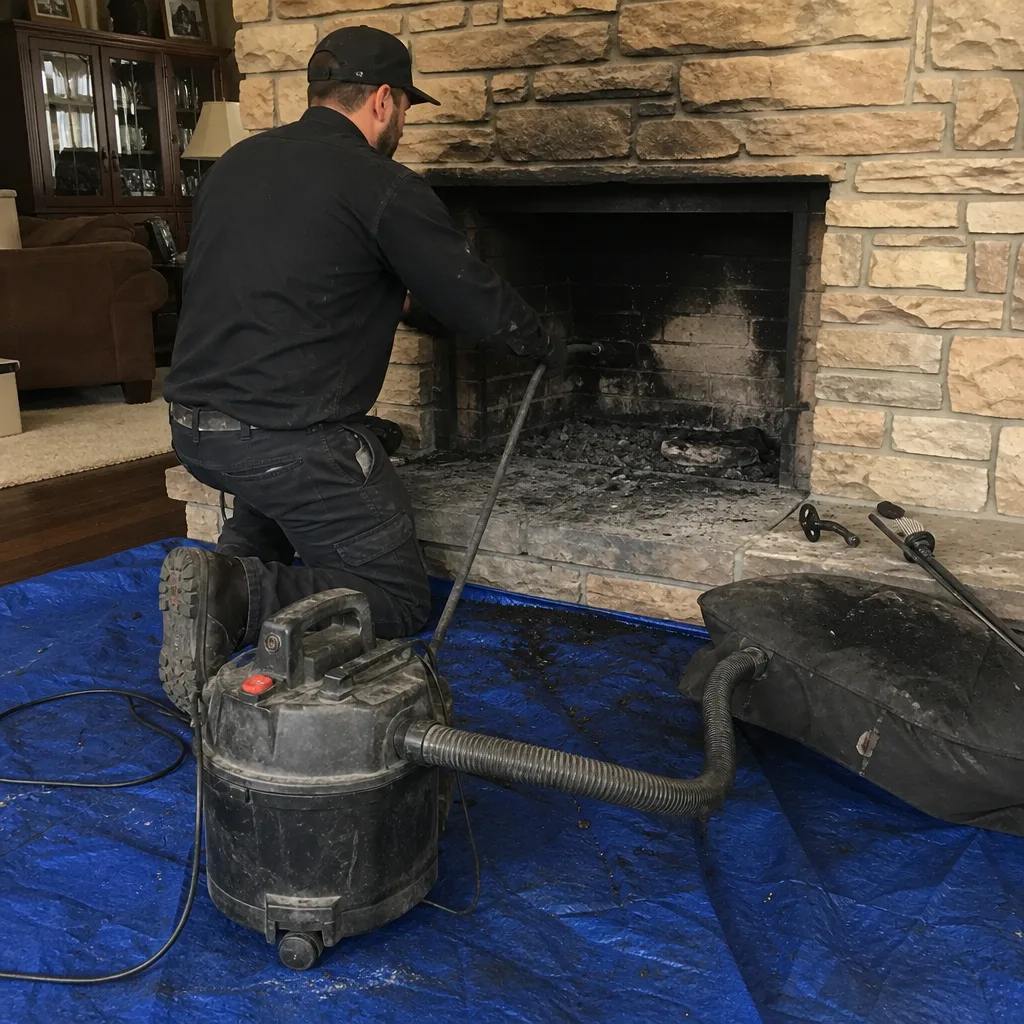 Before
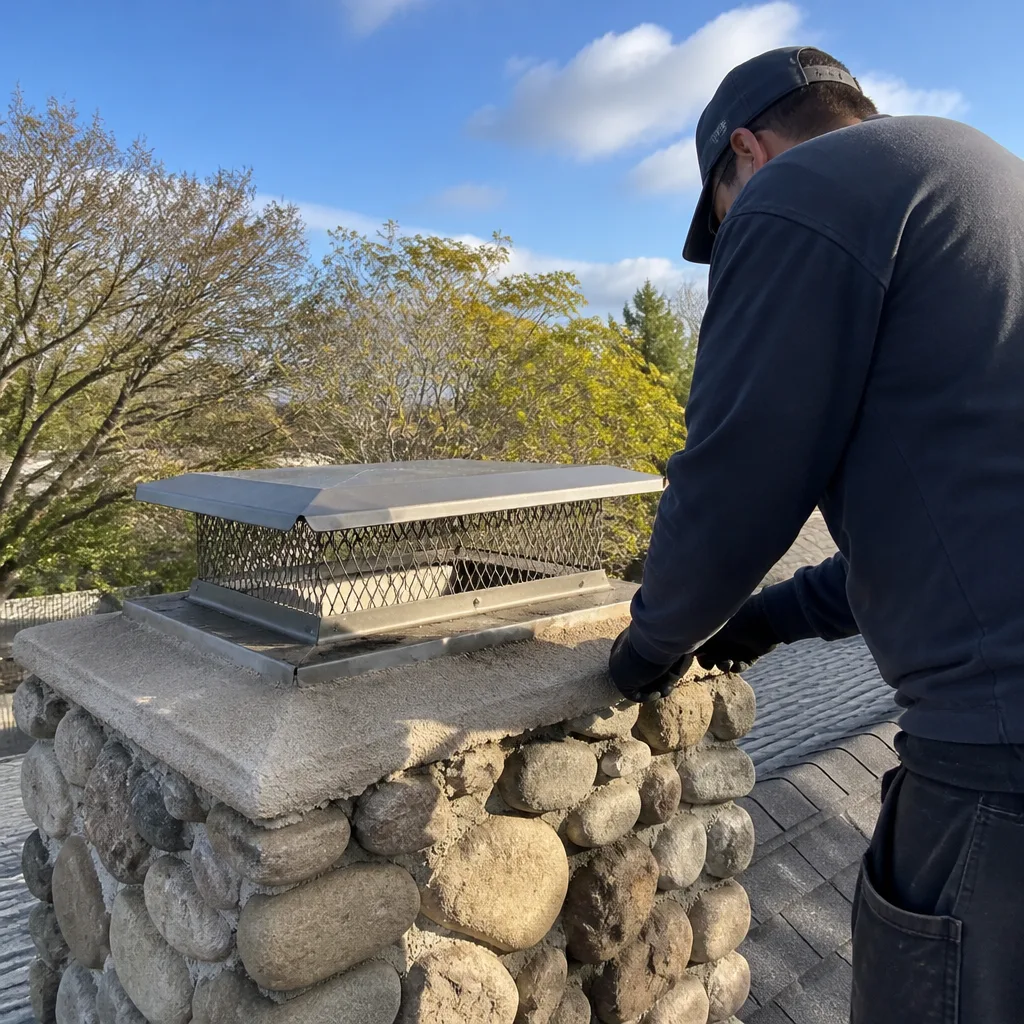 After
After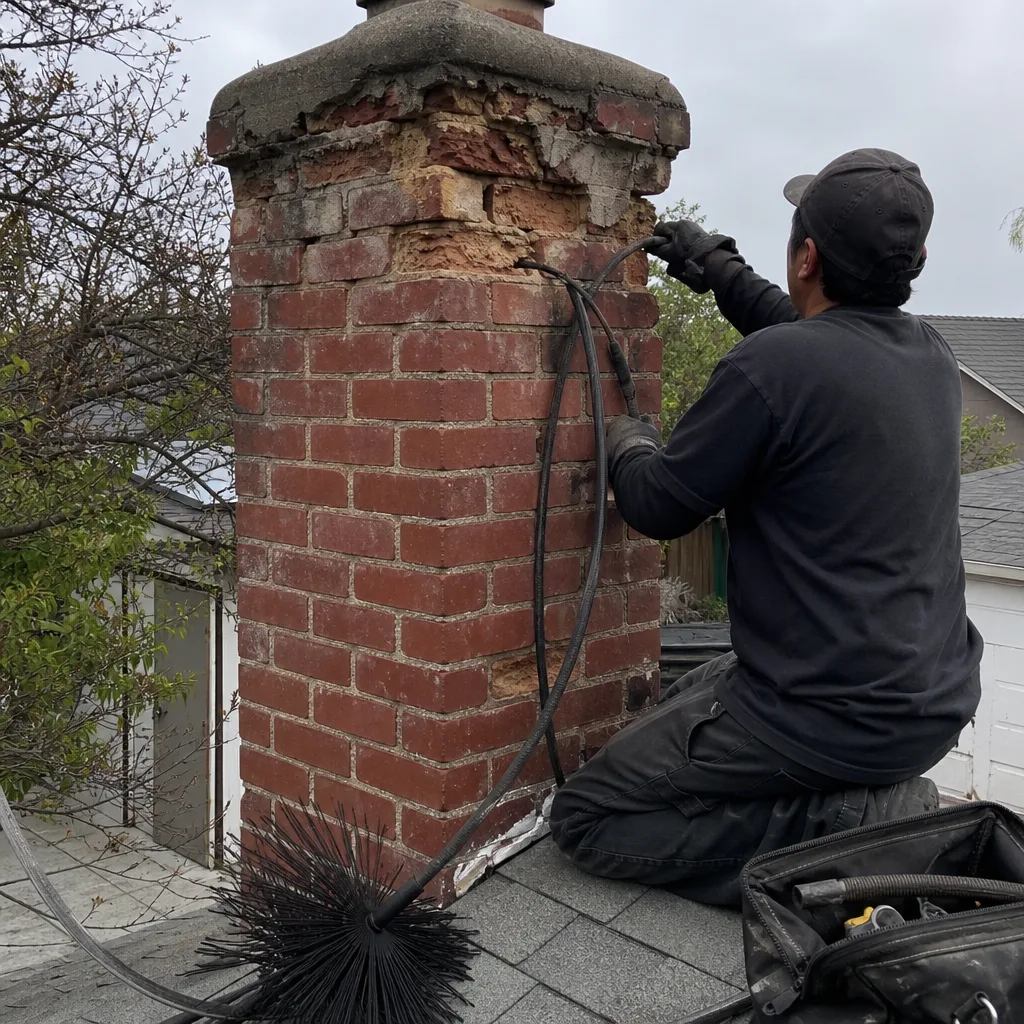 Before
 After
After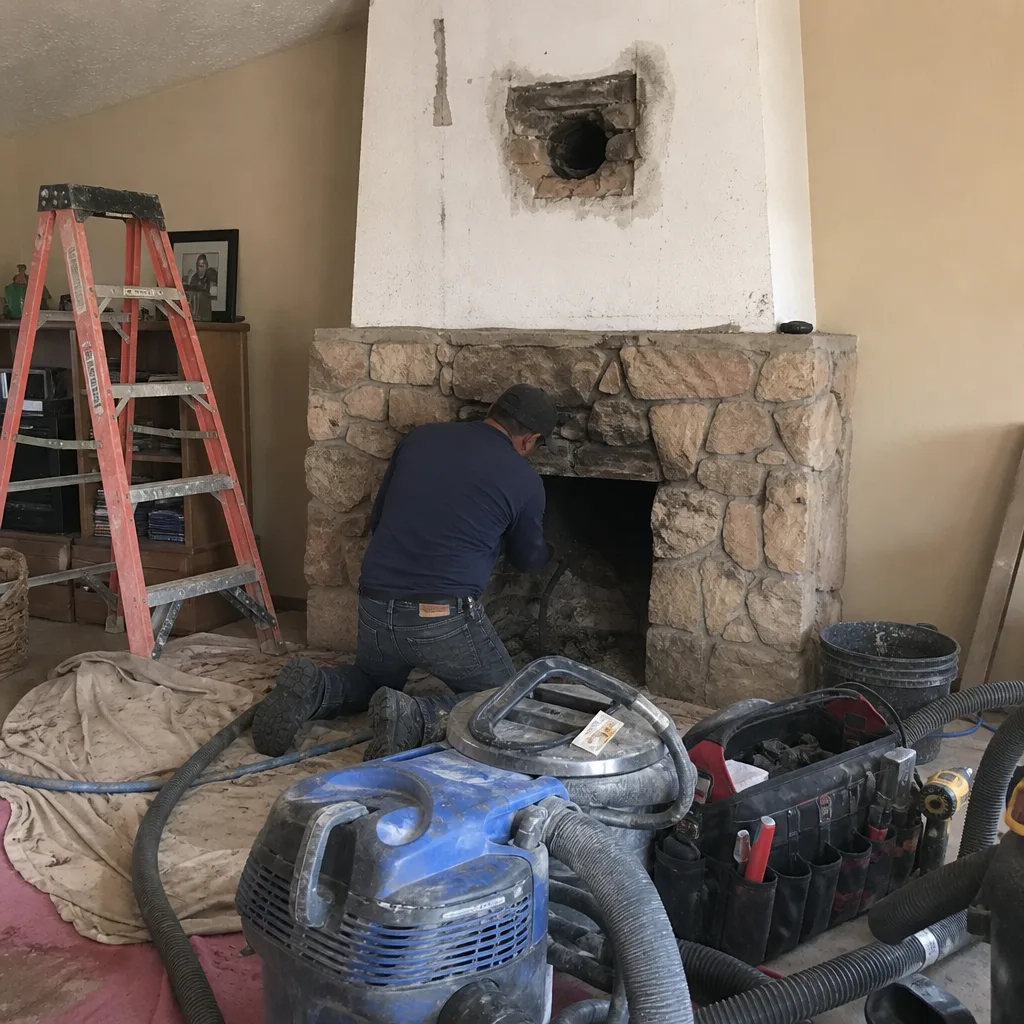 Before
 After
AfterCommon Mistakes to Avoid
- Assuming a sweep is enough. A chimney sweep removes creosote; it does not inspect the flue liner. Fresno homeowners who skip the Level 2 inspection after an earthquake or before a sale leave structural damage undetected until it becomes expensive.
- Taking a contractor’s word that no permit is needed without verifying. The City of Fresno’s online permit portal takes ten minutes to check. If the contractor is wrong, you own the correction, not the contractor. The contractor is gone.
- Buying a Fresno home without pulling the chimney permit history. The single most common chimney problem we see in real estate transactions is undiscovered unpermitted liner work from a flip. The seller was in a hurry, and the buyer paid the price.
- Waiting until November to think about the chimney. Fresno’s burn season starts with the first cold snap, and by then everyone is booked. Late summer is when smart Fresno homeowners schedule their annual sweep and Level 2 inspection, because the heat has already done its worst and there is time to fix what the camera finds.
- Assuming all chimney contractors pull permits. Many do not. Asking to see the permit before work starts is not rude; it’s the only way to verify you are hiring a legal operator. A contractor who deflects is telling you something.
- Ignoring a Level 2 recommendation after a chimney fire. If your chimney has been through a fire, even a small one, the flue tiles are compromised. Using the fireplace again without a Level 2 inspection and necessary repairs is how second fires start.
- Repairing a chimney with box-store materials. A liner from a hardware store is not the same as a professional-grade DuraFlex liner system. The permit gets finaled, but the material fails two years later, and the 365-day guarantee from Alcott Chimney Fresno is not what protects you; our written guarantee on every repair is. Cheap materials void the point.
When to Call a Professional
Call a professional before you burn, not after something goes wrong. If you smell smoke indoors when the fireplace is in use, if you see white staining on the exterior brick, if your carbon monoxide detector has gone off even once, if you’ve had a chimney fire or an earthquake, or if you’re selling your Fresno home and the buyer’s agent is asking about chimney permits, that’s the call. A Level 2 camera inspection answers every one of those questions with evidence you can see. Alcott Chimney Fresno offers free estimates in Fresno. Call (559) 215-1714 and a live person answers, 24/7, no voicemail. We’ll tell you exactly what you need and what it will cost, in writing, before any work begins.
Frequently Asked Questions
No. Routine chimney cleaning, sweeping, and creosote removal are classified as maintenance under California Building Code Section R1001, so no permit is required. The permit requirement starts when the chimney requires a repair or modification, like a liner replacement or firebox rebuild.
A standard chimney sweep in Fresno typically runs between $180 and $350 before any repairs, depending on the size of the flue, the amount of creosote buildup, and whether the home has a wood stove or a traditional fireplace. Call Alcott Chimney Fresno at (559) 215-1714 for an exact quote. Estimates are free and the written price you receive before the job starts is the price you pay.
The NFPA 211 standard recommends sweeping at least once a year when you burn wood regularly, and Fresno’s seasonal burn patterns make late summer the practical choice, because the summer heat exposes any masonry expansion cracks before burning season starts. Homes that burn only on occasion can sometimes go two years, but the Level 2 inspection is what tells you for certain. Call (559) 215-1714 and we’ll help you figure out the right schedule for your specific fireplace.
Creosote builds up on the flue walls, and the next fire you light is working against that buildup. The result, at best, is poor drafting and smoke in the house; at worst, it’s a chimney fire that cracks the flue liner and leaves you with a much more expensive repair than a sweep would have been. Fresno’s dry air makes that creosote even more brittle and flammable. The fix is straightforward: call (559) 215-1714 and get it swept before the burn season.
Repairing an existing gas fireplace, like replacing a burner or log set, is maintenance and does not need a permit. Converting a wood-burning fireplace to gas is a modification that does require a Fresno permit and inspection, because you’re changing the fireplace’s function and introducing a gas connection. If you’re unsure which category your project falls into, call us at (559) 215-1714 and we’ll tell you straight.
Yes, through the City of Fresno Building and Safety Division’s Accela Citizen Access portal, searchable by street address. Look for mechanical or building permits that reference the chimney, fireplace, or liner, and check that their status is “finaled.” An empty record combined with visible newer work means the work was likely unpermitted, and we can help you figure out the next step. Reach us at (559) 215-1714.
The Bottom Line
Chimney cleaning in California is simple: no permit for maintenance, permit for modification. The complexity arrives when the two overlap, which is exactly when most Fresno homeowners discover the distinction. The solution is equally simple: get a Level 2 camera inspection on a schedule, pull the permit history before you buy or whenever you suspect past work, and insist on seeing the permit before any repair begins. For more guides & resources, explore our blog. A reputable Fresno chimney company will have done all of this before you even think to ask. If yours hasn’t, that’s the information you need. We’ve served Fresno homeowners since 2002 under that exact standard, and we’re happy to show you the process start to finish.
Written by Ruben Castellano, Owner at Alcott Chimney Fresno, serving Fresno since 2002.