
Last updated October 15, 2026
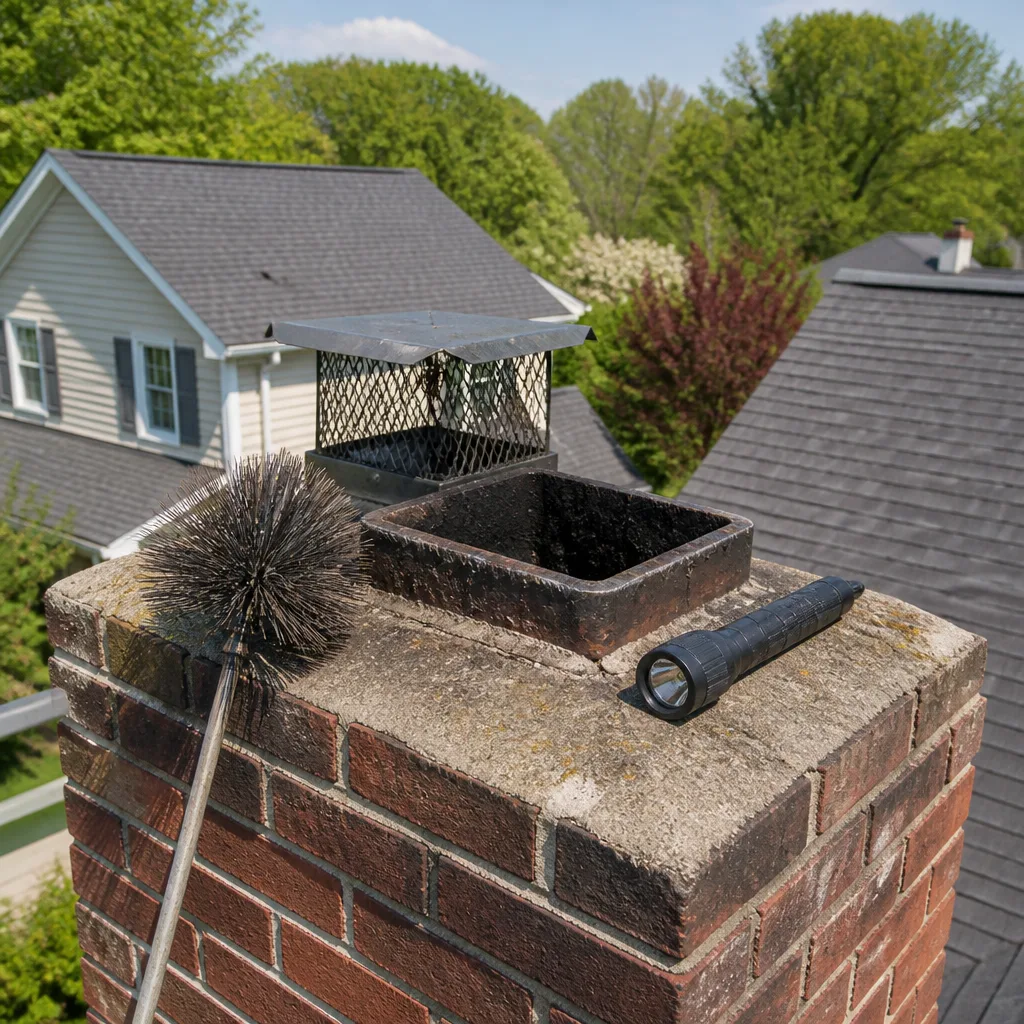 Sweep & inspection
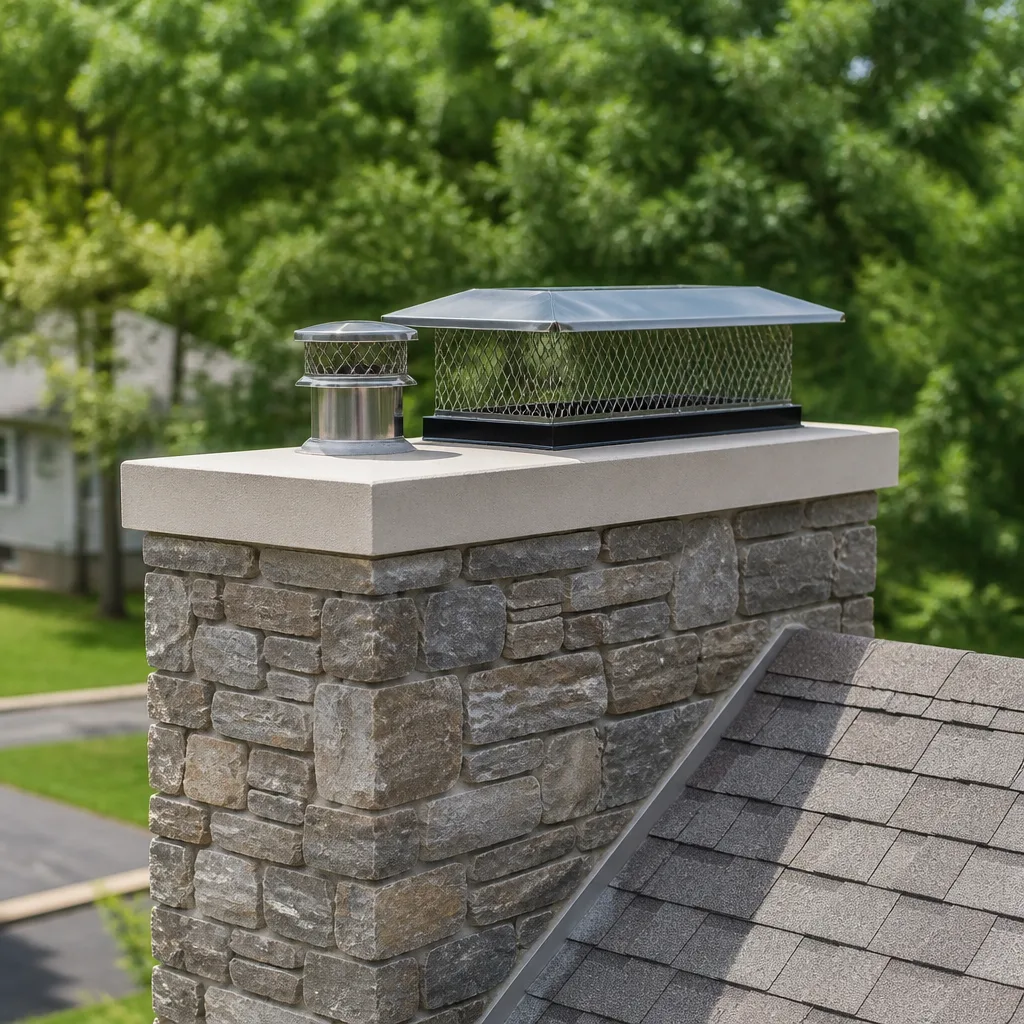 Caps & crowns
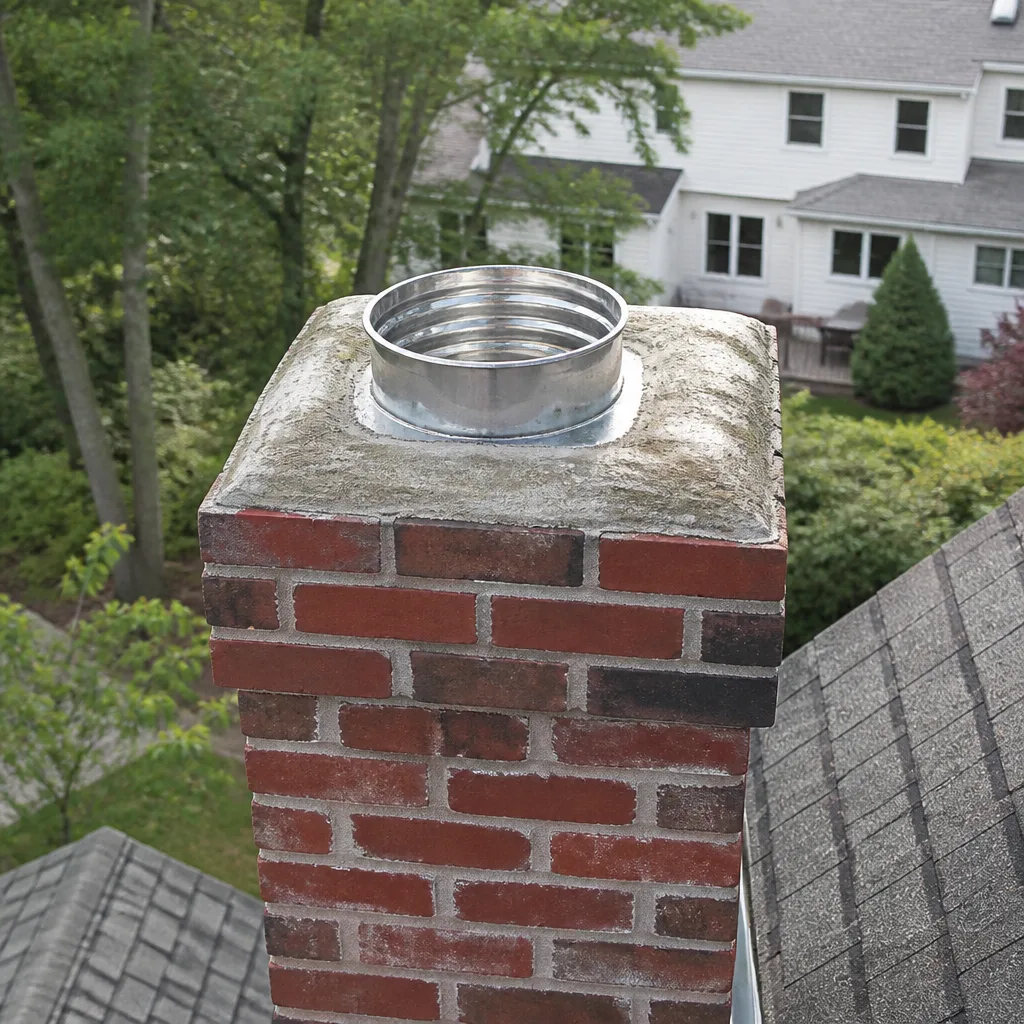 Flue relining
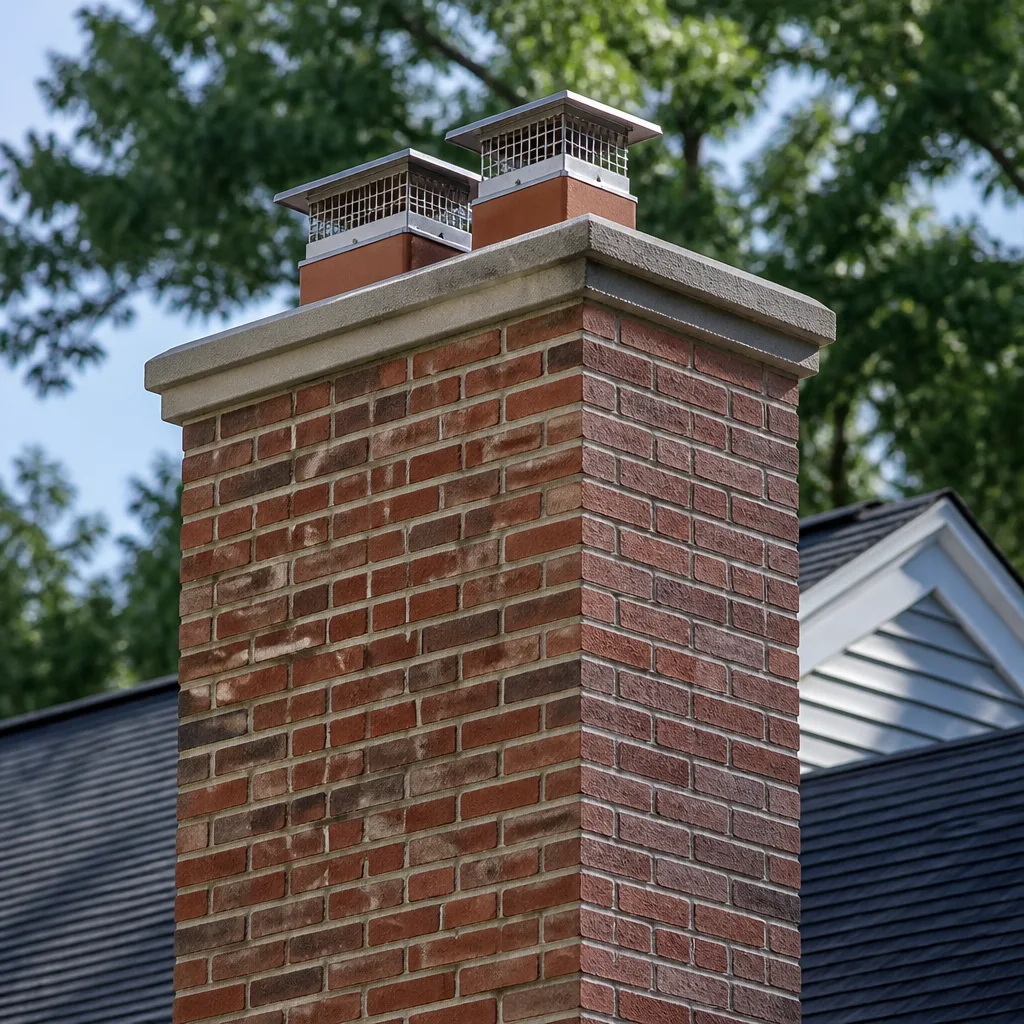 Masonry repair
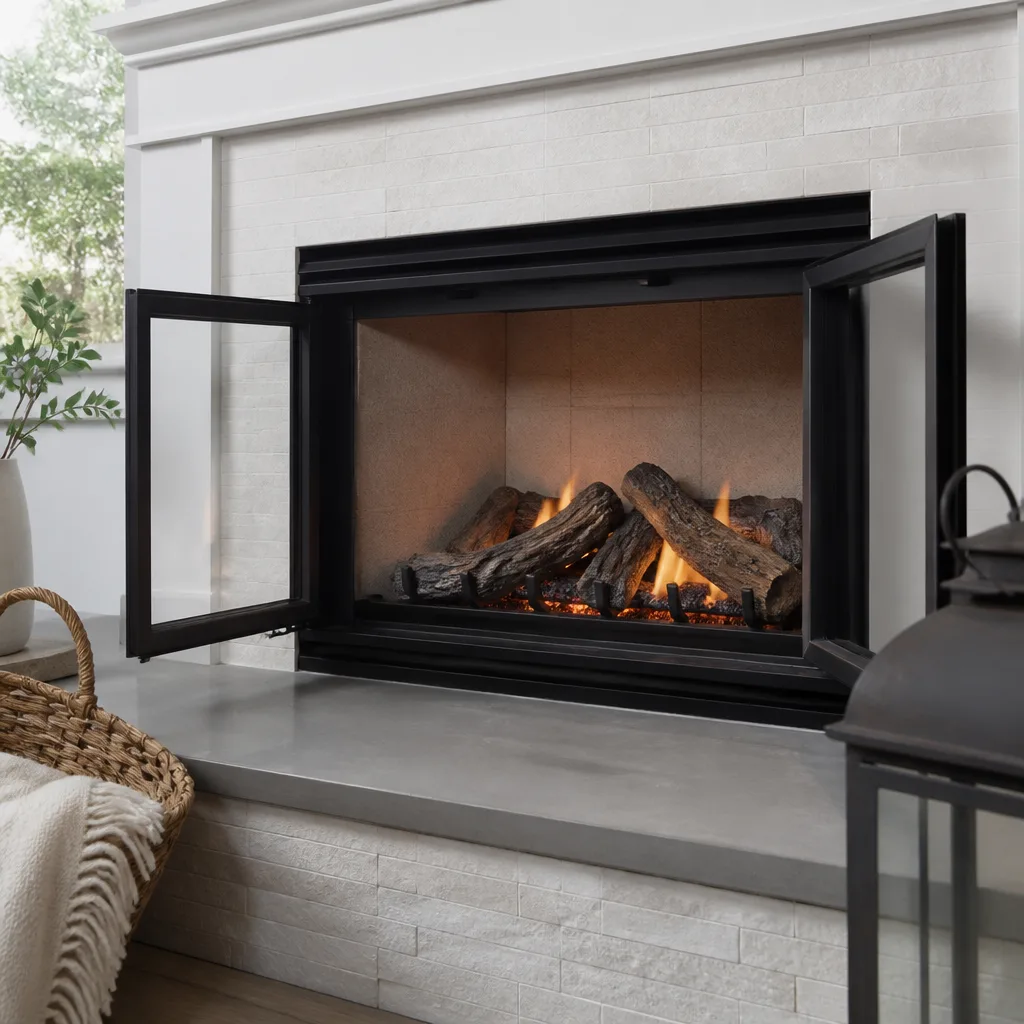 Gas fireplace service
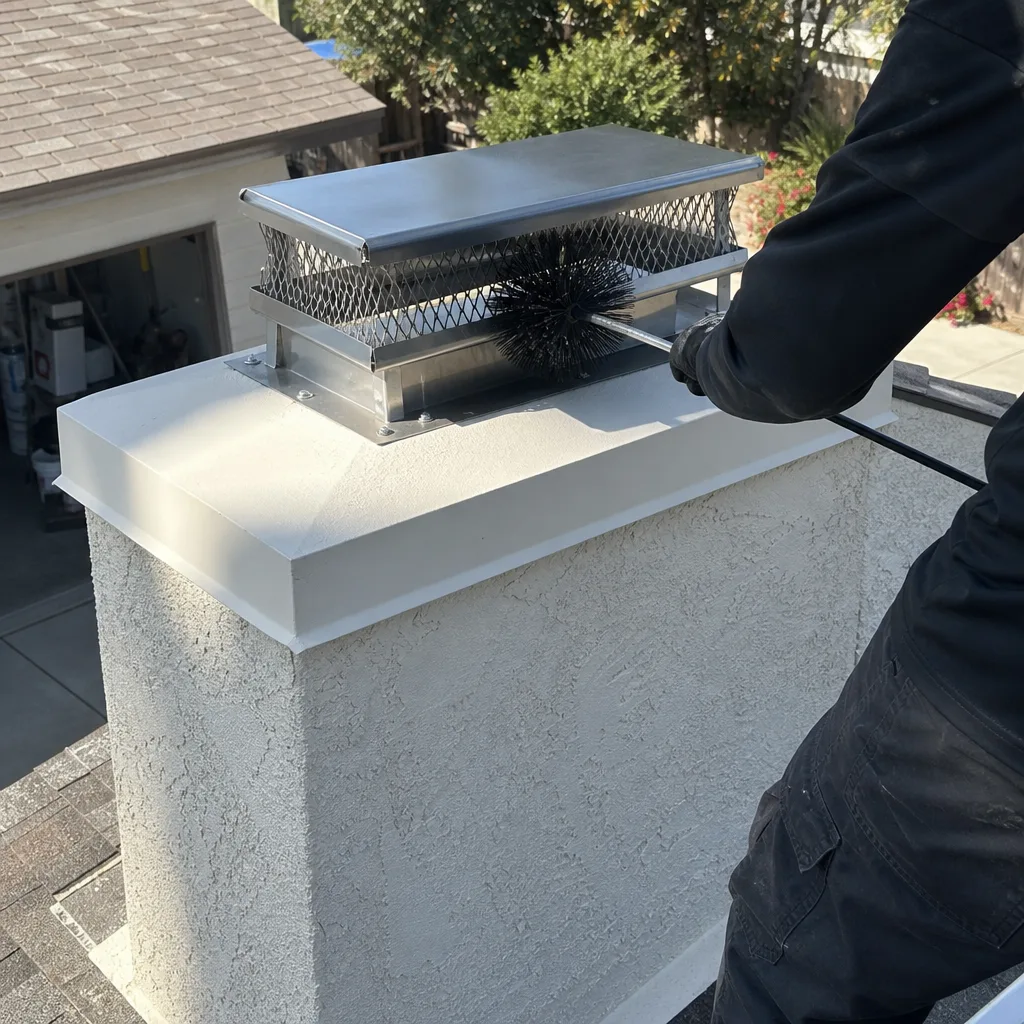
Level 1 sweep and inspection to the NFPA 211 annual standard - flue, crown, cap, and flashing checked and photographed
Chimney sweep logs do not sweep chimneys. They loosen some creosote - which then falls where a brush and vacuum still have to collect it.
Seasonal Chimney Cleaning Care for Fresno: Year-Round Homeowner’s Guide
In Boston, homeowners worry about chimneys all winter. In Fresno, the danger window is narrower but the neglect window is longer. A chimney that sits unused for seven months in 105-degree heat develops problems no New England guide will warn you about: pest nests packed tight against the flue, mortar drying until it crumbles, crown cracks widening under relentless UV. This guide walks you through what our technicians actually see in Fresno chimneys month by month, when to book your sweep so you’re not scrambling in November, and what to do in March to protect your chimney through the brutal summer.
Styles & brands we work with
Quick Answer
In Fresno, the practical chimney-care year has two phases: a pre-season window from late August through early October when you should schedule your annual sweep and inspection, and a post-season task list in March that protects your chimney through the May-to-September dormant period. A standard chimney sweep in Fresno typically runs $189 to $289 before any repairs, and the optimal booking window is late August to early October, before the November rush. The biggest mistake Fresno homeowners make isn’t skipping a sweep; it’s forgetting that eight months of San Joaquin Valley heat does its own damage while the fireplace sits cold.
Table of Contents
- The Real Fresno Chimney Calendar: Two Phases, Not Four Seasons
- What Happens Inside a Fresno Chimney from May to September
- Your Pre-Season Window: Late August to Early October
- March Checklist: Protecting Your Chimney Through Summer
- How to Spot Summer Storm and Wind Damage Before Burning Season
- Month-by-Month Fresno Chimney Reference
- What You Can Check Yourself (and What Requires a Pro)
- Common Mistakes to Avoid
- When to Call a Professional
- Frequently Asked Questions
The Real Fresno Chimney Calendar: Two Phases, Not Four Seasons
Most chimney care guides are written for climates with four actual seasons. They assume you’re burning wood from October through April, then doing light maintenance through a mild summer. That model breaks in Fresno, where the April-to-September stretch brings regular triple-digit days and the fireplace becomes a piece of furniture you walk past. In our experience, the Fresno chimney year works like this:
- Active burn season: Roughly late October through late March, with the heaviest use in December and January when overnight lows dip into the 30s.
- Dormant season: May through September, when the fireplace sits unused and the chimney is exposed to extreme heat, intense UV, and whatever wildlife decides it’s a good place to raise a family.
- Transition windows: Late August to early October (prep for burn season) and March (post-season shutdown). These are the two periods when chimney care actually happens in Fresno, and getting the timing right changes both your safety and your wallet.
Ruben Castellano, who has run Alcott Chimney Fresno since 2002, puts it simply: “The Fresno chimney season is compressed. You’ve got maybe five months of real use, then seven months of waiting. Both phases create problems, just different ones.” The dormant period isn’t a break from chimney maintenance. It’s the season when mortar dries, caps crack under UV, and birds and squirrels move in through gaps that went unnoticed in winter.
Understanding this two-phase reality is the foundation of year-round chimney care in the Central Valley. The rest of this guide builds on it.
What Happens Inside a Fresno Chimney from May to September
The May-to-September dormant period in Fresno isn’t neutral time for your chimney. It’s active deterioration in slow motion. Here’s what actually happens during those seven months of heat, based on what we’ve seen on thousands of Fresno chimney inspections:
- Mortar drying and cracking. Fresno’s summer humidity regularly drops below 20 percent, and daytime temperatures routinely exceed 100 degrees. Masonry mortar loses moisture faster than it can reabsorb it. The result is hairline cracking that widens through repeated thermal expansion cycles. Chimneys in Fresno’s older neighborhoods, like the Tower District and Sunnyside, are especially prone because the original mortar was mixed for a milder climate than the one we actually have.
- UV degradation of crowns and caps. The chimney crown, the concrete slab at the top of the chimney, takes direct sunlight for 14 hours a day in June. Concrete expands and contracts with heat, and after enough Fresno summers, crown cracks become wide enough for water to enter. Once water penetrates the crown, it freezes and thaws in winter, widening cracks further. This is the classic Fresno chimney failure cycle.
- Pest nesting. Chimney swifts, sparrows, squirrels, and occasionally raccoons see an unused chimney as prime real estate from May through September. A standard chimney cap with damaged or missing mesh screens is an open door. We regularly remove nests packed tightly against the flue lining in September, when homeowners light their first fire and smoke starts pouring back into the living room.
- Creosote hardening. Creosote, the tar-like byproduct of wood combustion, doesn’t disappear when you stop burning. It sits on the flue walls all summer, hardening and baking in the heat. Hardened, glazed creosote is significantly harder to remove than the soft, flaky kind you get from a fresh season of burning. This is a key reason the post-season sweep matters more than most Fresno homeowners realize. (For details on how creosote behaves in Fresno fireplaces, see our guide to chimney sweep in Fresno.)
- Flashing degradation. The metal flashing where the chimney meets the roof takes the same UV and heat abuse as the crown. Sealant dries, caulk cracks, and by October, the joint where your chimney meets your roofline may be the weak point where the first winter rain finds its way in.
None of these problems announce themselves while they’re happening. You don’t feel the mortar cracking. You don’t notice the flashing seal failing until water stains appear on the ceiling. That’s why the pre-season inspection in late summer is the most important chimney appointment a Fresno homeowner books all year.
Your Pre-Season Window: Late August to Early October
If you only do one chimney-related task in Fresno each year, make it this: schedule your sweep and inspection between late August and early October. Here’s why the timing matters, and it’s not just about beating the rush.
Why this window works: By late August, the peak summer heat is starting to ease, but families aren’t yet thinking about fireplaces. Appointment availability is wide open. More importantly, an inspection in this window gives you time to address any problems, whether that’s a cracked crown, a damaged flue liner, or a family of squirrels, before the first cold front of late October makes your fireplace a necessity. If you wait until November, you’ll be competing with thousands of other Fresno homeowners who all realize at the same moment that their chimney hasn’t been checked since last winter. Wait times stretch to weeks, and if the inspection turns up a significant repair, you may be without a fire during the coldest stretch of the year.
What happens during a pre-season sweep:
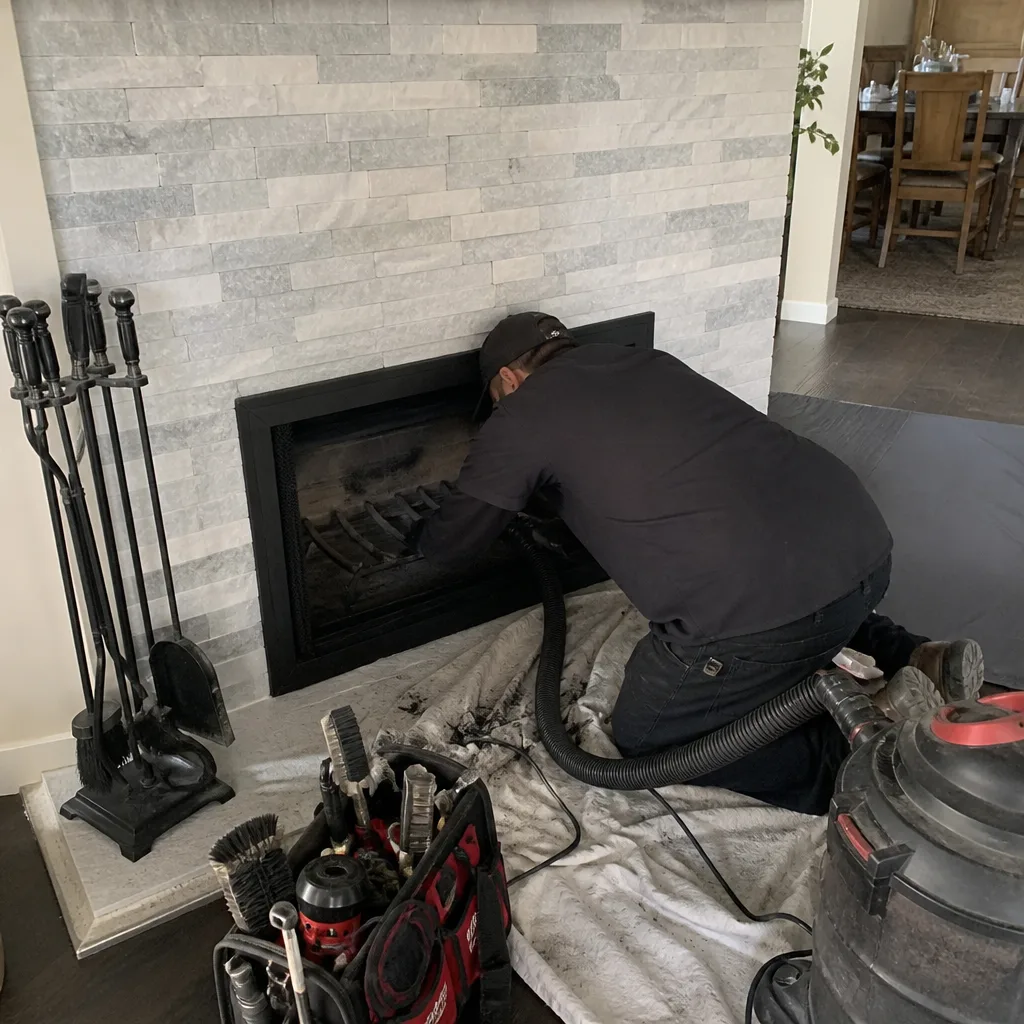
- Sweep: We remove creosote and soot from the flue walls, smoke chamber, damper area, and firebox. This is the baseline cleaning that prevents chimney fires.
- Inspection: Ruben Castellano’s technicians examine the flue lining for cracks or deterioration, check the crown and cap for wear, verify the damper opens and closes properly, and look for evidence of water intrusion. For more on what a full Fresno chimney inspection covers, see chimney inspection in Fresno.
- Report: You get a written report of what we found, what needs attention now, and what can safely wait. A camera inspection is available for a closer look inside the flue.
What a sweep costs in Fresno: A standard chimney sweep in the Fresno market typically runs $189 to $289 before any repairs. The final price depends on the size of the chimney, the amount of creosote buildup, and whether there’s any obstruction that requires removal. At Alcott Chimney Fresno, you get a written price before any work starts. No surprises at the end of the job, ever.
| Service | Typical Fresno Price Range |
|---|---|
| Standard chimney sweep | $189 – $289 |
| Chimney inspection (Level 1) | $129 – $199 |
| Chimney inspection with camera (Level 2) | $299 – $449 |
| Chimney cap replacement | $150 – $450 depending on material |
| Crown repair | $500 – $1,200 depending on extent |
Booking in the late August to early October window also means you’ll have a technician’s full attention on the details, not a rushed appointment squeezed between six other calls. The Alcott Chimney Fresno home page has more on how we run appointments, or call (559) 215-1714 to lock in your pre-season slot.
March Checklist: Protecting Your Chimney Through Summer
The last fire of the season usually happens in Fresno around late March, when the nights stop dropping below 50 degrees consistently. What you do in the week after that final fire determines what shape your chimney is in when October rolls back around. Here’s the post-season checklist we recommend for every Fresno fireplace:
- Schedule a post-season sweep if you burned heavily. If you had fires more than two or three times per week from November through March, you built up creosote. Removing it in March means it doesn’t harden and glaze through the summer. The spring sweep is one of the smartest moves a Fresno homeowner can make, and it’s something our chimney sweep service in Fresno regularly handles for customers from Clovis to Fig Garden.
- Close the damper tightly. An open damper in summer lets conditioned air escape up the flue and lets 110-degree outside air seep down into the house. It also gives pests a clear entry point. Make sure the damper seats fully.
- Check the cap from the ground with binoculars. Look for missing mesh sections, bent metal, or evidence that the cap has shifted. If the cap is damaged, birds and squirrels will find the gap within weeks.
- Seal gaps around the firebox. Small cracks between the firebrick and the fireplace surround allow pests to enter and allow your summer AC to leak out. A quick visual check takes thirty seconds.
- Consider a chimney cap upgrade. If your cap is more than five years old or is a basic model, upgrading to a stainless steel cap with fine mesh screening is one of the best investments you can make in Fresno. The UV exposure here is brutal on cheaper painted steel caps, which rust and fail within a few summers. We install professional-grade caps from Olympia Chimney and Famco, which are built for decades of Central Valley heat.
These five steps take under an hour total, but they prevent the most common September discoveries: wasp nests in the smoke chamber, squirrel nests blocking the flue, and water stains on the ceiling that trace back to a crown crack that started small in June and widened through July and August.
How to Spot Summer Storm and Wind Damage Before Burning Season
Fresno gets dramatically less rain than coastal California, but the summer monsoon season and occasional fall wind events can still cause chimney damage. The bigger issue is what happens when the first significant rain of October or November hits a chimney that’s been compromised for months. Here’s what to look for after any significant wind or rain event:
- Walk around the house and look up. Check that the chimney cap is still present and centered. Strong winds can shift or partially dislodge caps, especially on older chimneys where the mounting hardware has deteriorated.
- Look for new cracks in the crown. Use binoculars from the ground. Fresh cracks after a storm often indicate that water has been seeping into the crown and expanding, or that thermal stress finally exceeded the mortar’s capacity.
- Check for water stains on interior ceilings near the chimney. Water intrusion often shows up inside first. A brown stain on the ceiling near the fireplace is a sign that water is getting past the flashing or the crown.
- Listen for new sounds after wind events. A rattling cap or loose flashing often becomes audible after a strong wind. If you hear something metallic when the wind picks up, have it checked before it comes loose completely.
- Inspect the flashing after the first heavy rain. Water marks on the chimney exterior below the flashing line can indicate that the seal has failed. Early detection means a simple re-sealing job instead of a full re-flashing.
If you spot any of these during the May-to-September dormant period, you don’t need to rush an emergency repair. But make a note and schedule an inspection before October. Addressing a crack in August costs a fraction of what the same crack will cost to fix after a rainy winter has forced water deep into the masonry. For a professional assessment, Alcott Chimney Fresno offers chimney inspections in Fresno with camera documentation so you can see exactly what we see.
Month-by-Month Fresno Chimney Reference
Here’s a month-by-month reference that replaces generic seasonal advice with the reality of the Central Valley climate. Print it, save it, or just bookmark this page.
- January: Peak burn season. If you’ve been using the fireplace regularly, check for creosote buildup every 4 to 6 weeks. Watch for smoke that spills back into the room, a sign of a blocked flue or an open damper issue.
- February: Continue regular burning. If you notice a stronger-than-usual campfire smell inside the house, or if you see dark stains on the walls near the fireplace, schedule an inspection. These can indicate a cracked flue liner.
- March: Post-season month. After your final fire, do the five-step checklist from the section above. This is the best month in Fresno for a post-season sweep while creosote is still soft and removable.
- April: Watch for pest activity. Squirrels and birds begin actively nesting in April. If you hear scratching sounds from the chimney, call a professional immediately. A live animal in the flue is a health and fire hazard.
- May: First real heat waves. Monitor the crown and cap from the ground. Early UV damage is hard to see, but if you notice visible cracks in May, they’ll be significantly worse by September.
- June: Peak UV exposure. The summer solstice brings the longest sun exposure of the year to south-facing chimneys. Do a binocular check on the cap and crown. This is also when young squirrels from spring litters start exploring chimneys.
- July: Deep dormant period. Nothing is happening inside the chimney except slow deterioration. If you haven’t scheduled your pre-season inspection yet, late July is a good time to book it before the August rush begins.
- August: The optimal month to book your pre-season sweep and inspection. Technicians have open availability, and you’ll have two months to address any problems found.
- September: Final call for pre-season prep. If you haven’t booked yet, do it now. Pest nests are at their largest, and removing them before burning season is essential. Gas fireplace owners in Fresno should also test their units in September before evening temperatures drop.
- October: The first fires. Ideally, your sweep and inspection happened in September, and you’re starting with a clean, verified chimney. If not, book now and expect to wait. October is the beginning of the crunch.
- November: Peak demand. Every chimney company in Fresno is booked solid through the holiday season. If you’re on the schedule, great. If not, prioritize burning only well-seasoned hardwood to minimize creosote until you can get swept.
- December: Heavy burn season. The fireplace is part of daily life for many Fresno families. Keep an eye on creosote buildup and never burn wrapping paper, which creates fast-burning, high-temperature fires that stress the flue lining.
What You Can Check Yourself (and What Requires a Pro)
Some chimney maintenance is safe for a Fresno homeowner to do from the ground. Other tasks require training, specialized tools, and a professional who understands masonry and flue dynamics. Here’s the line.
Safe to check yourself from the ground:
- Cap presence and general condition, using binoculars
- Visible crown cracks from ground level
- Damper operation from inside the firebox
- Evidence of water stains on interior ceilings near the chimney
- Unusual sounds or smells coming from the fireplace
Requires a professional:
- Anything involving climbing on the roof. Chimney work from a ladder or rooftop is dangerous, and Fresno’s steep-pitched roofs in newer subdivisions make it riskier. Leave roof access to trained technicians with proper equipment.
- Creosote removal. The interior of a chimney is not a place for a homeowner with a wire brush. Professional sweeps use tools designed for the job and know how to remove creosote without damaging the flue lining.
- Flue liner inspection. This requires a camera or a direct visual inspection from the top. You cannot assess flue liner condition from the firebox.
- Crown or flashing repair. These are masonry skills. A patch job done wrong will fail within a season and leave you with a larger repair bill.
- Any gas fireplace work. Gas lines and gas fireplace components are not DIY territory. This is a safety issue and a code compliance issue. See our gas fireplace repair services for Fresno for professional work.
One important safety note: if your chimney has not been used in years and you suspect animal nesting, do not attempt to smoke out the animals or remove the nest yourself. You risk a chimney fire from the dry nesting material, or a bite from a cornered animal. Call a professional who can remove the obstruction safely.
Common Mistakes to Avoid
- Waiting until the first cold night to think about the chimney. Fresno’s first cold snap in late October or early November sends a wave of calls to every chimney company in the Valley. By then, you’re booking weeks out. Schedule in August or September instead.
- Assuming no use means no maintenance. The May-to-September dormant period causes its own damage through UV exposure, pest intrusion, and mortar dehydration. A chimney that sits unused still needs an annual inspection.
- Ignoring a damaged cap. A torn or missing chimney cap is an open invitation to birds, squirrels, and rain. A $200 cap replacement in August prevents a $600 nest removal and possible flue damage in October.
- Burning unseasoned wood. Fresno’s dry climate seems like it would make wood dry fast, but that’s not how it works. Freshly cut wood still needs 6 to 12 months to season, and burning green wood creates creosote at an accelerated rate. Use wood that’s been split and stacked for at least six months.
- Skipping the post-season sweep because “it’s not that bad.” Even moderate creosote buildup hardens over a Fresno summer. What would have been a straightforward spring sweep becomes a difficult, more expensive fall job.
- Trying to repair a crown crack with sealant alone. Sealant fills the gap temporarily, but the underlying structural crack remains. In Fresno’s thermal cycle, the crack will reopen, and water intrusion will continue. Crown repair requires proper material and technique.
- Not knowing your technician before they arrive. Every Alcott Chimney Fresno technician is background-checked, identity-verified, and sent to you by name and photo before the visit. When the tech arrives, they show a photo ID badge at the door, every time. This is the Threshold Standard, and it’s non-negotiable. If another chimney company can’t tell you who’s coming to your house, that’s a reason to call someone else.
When to Call a Professional
Chimney work is not a casual DIY project. In Fresno, the most common signs you need a professional are: smoke spilling back into the room during a fire, a strong odor coming from the fireplace when it’s not in use, visible cracks in the crown or cap from ground level, water stains on the ceiling near the chimney, the sound of animals in the flue, or a fireplace that hasn’t been inspected in more than two years. If you’re experiencing any of these, don’t wait for the next pre-season window. Alcott Chimney Fresno offers free estimates throughout the Fresno area. Call (559) 215-1714 and a live person answers, day or night.
Frequently Asked Questions
A standard chimney sweep in Fresno typically costs between $189 and $289, depending on the size of the chimney and the amount of creosote buildup. At Alcott Chimney Fresno, every customer receives a written price before any work begins, so there are no surprise charges when the job is done. Call (559) 215-1714 for an exact quote on your chimney.
The National Fire Protection Association recommends an annual inspection and a sweep whenever creosote accumulation reaches 1/8 inch or more. In Fresno, most homeowners who burn wood regularly from November through March need an annual sweep. Heavier burners may need a mid-season sweep in January and a post-season sweep in March. Gas fireplace owners need less frequent sweeping but still benefit from an annual inspection of the venting system.
Creosote continues to accumulate with every fire, and the risk of a chimney fire increases with each layer. In Fresno, skipping multiple years also means the dormant-season damage compounds, since a skipped pre-season inspection means cracks, pest problems, and cap damage go undetected. The cost of a sweep is small compared to the cost of repairing water damage from a cracked crown or removing a flue-blocking nest.
Yes, but you might not need it as frequently. Even a few fires per season produce creosote, and the bigger risk for occasional burners in Fresno is the dormant period. A chimney that’s only used a handful of times still sits through seven months of heat, UV, and pest pressure. An annual inspection catches issues before they become expensive. A sweep might only be needed every other year for light users, but the inspection should happen annually.
Gas fireplaces still need professional attention. The venting, logs, burner, and pilot assembly all wear over time. In Fresno, gas fireplace repair is the service we handle most often for units that sputter or fail on the first cold night. We recommend testing your gas fireplace in September so it works when you actually want it in November.
You can do a basic visual check from the ground, looking for obvious cap damage, visible crown cracks, or water stains inside the house. But a proper chimney inspection requires looking at the flue lining from the top, checking the damper operation, and assessing the condition of the mortar and flashing up close. These tasks require roof access and professional judgment. Fresno’s hot summers mask some damage until the wrong time of year. Alcott Chimney Fresno provides camera-based inspections so you can see the inside of your flue for yourself. For details, see chimney inspection in Fresno.
The Bottom Line
Fresno’s chimney care calendar doesn’t match the rest of the country, and trying to follow a generic guide means you’ll always be reacting instead of preparing. The real rhythm here is simple: prep in late summer, burn through winter, shut down properly in March, and do a few visual checks through the dormant months. The homeowners who stay ahead of chimney problems in Fresno aren’t doing more work. They’re doing the right work at the right time. Alcott Chimney Fresno has been serving the Fresno community since 2002 with upfront pricing, written guarantees on every repair, and technicians you know by name and photo before we ring the bell. Call (559) 215-1714 for a free estimate, whether you’re planning for October or dealing with a problem right now.
Written by Ruben Castellano, Owner at Alcott Chimney Fresno, serving Fresno since 2002.
See the difference
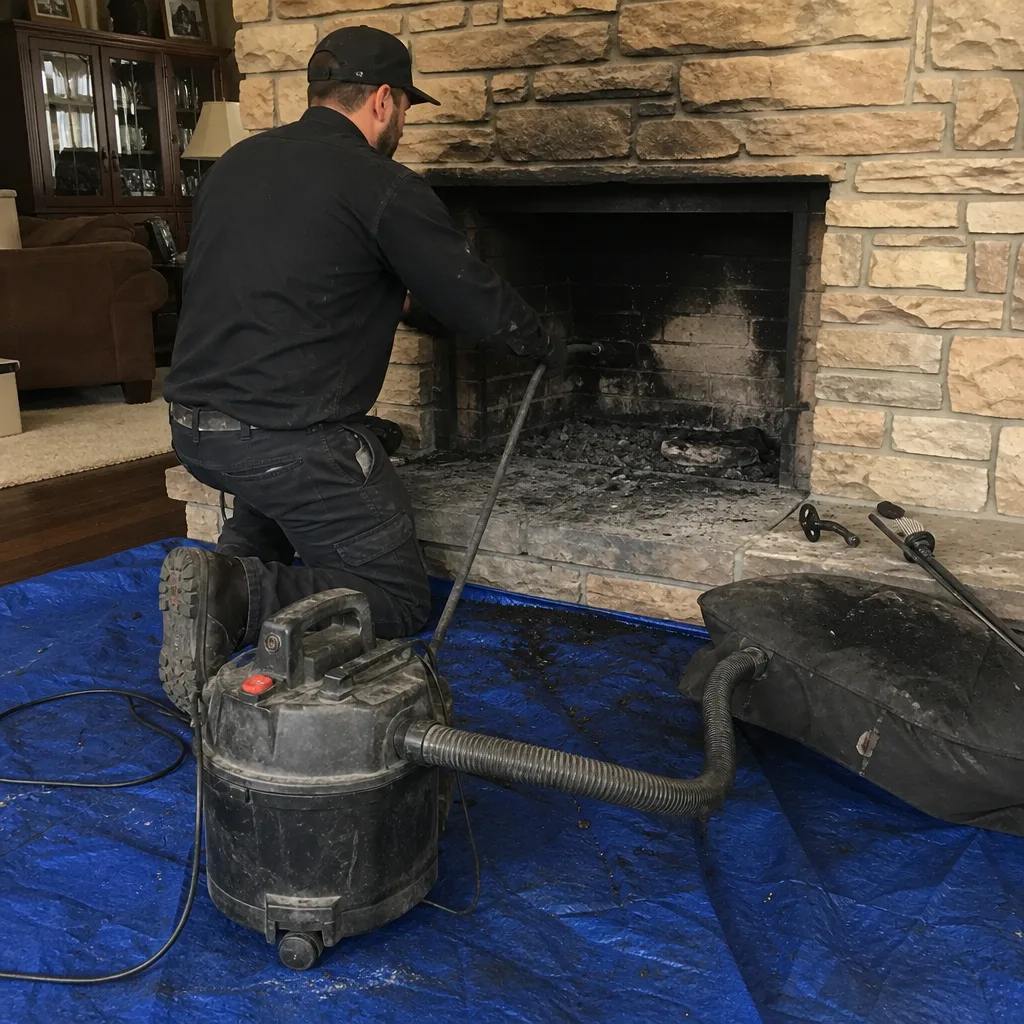 Before
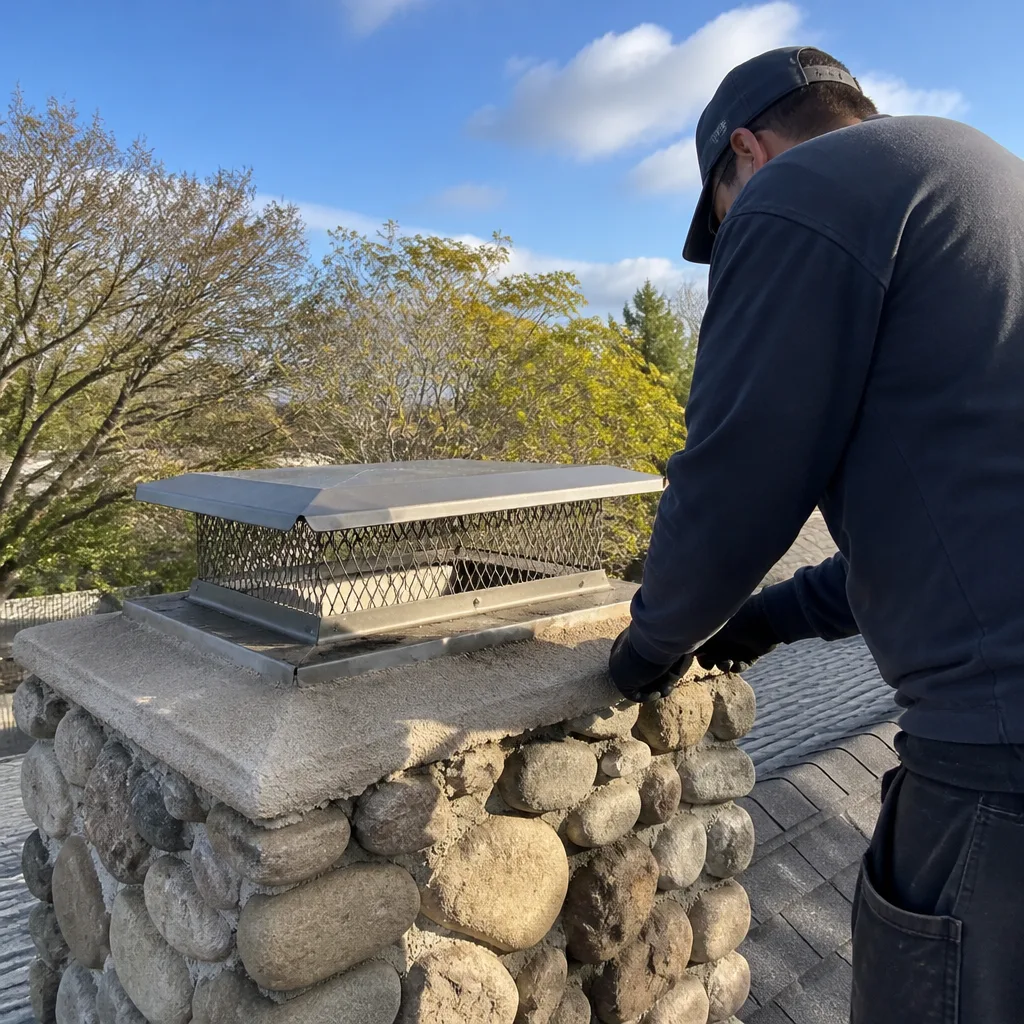 After
After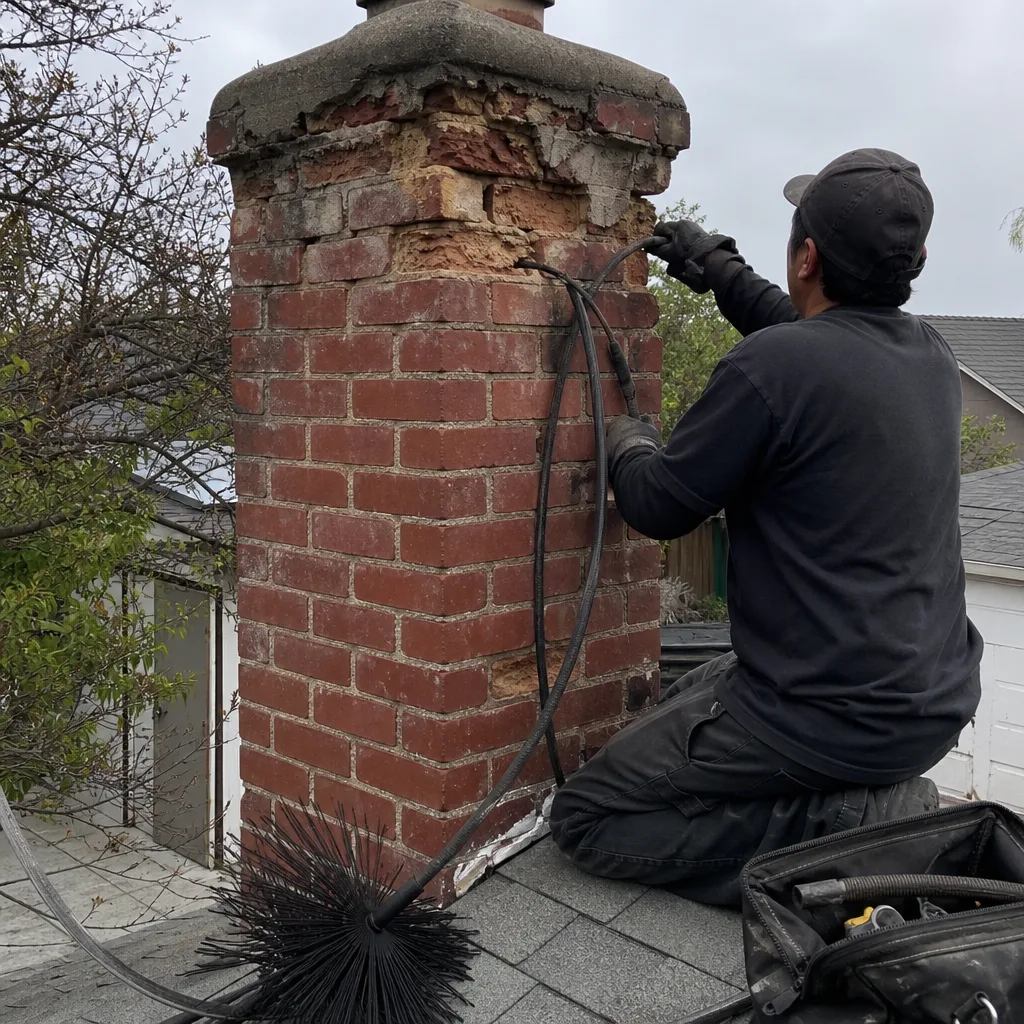 Before
 After
After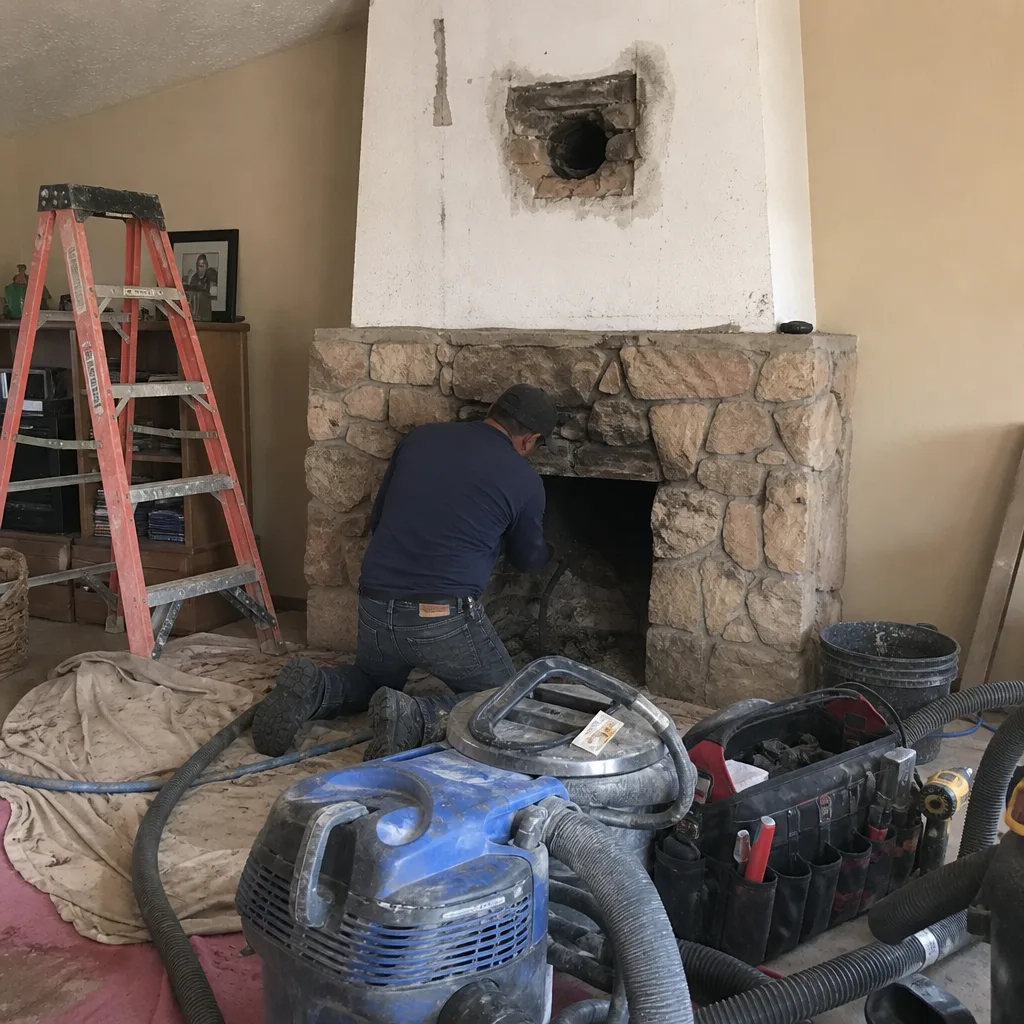 Before
 After
After